Best Gaming CPUs 2026
Your CPU sets the FPS ceiling at 1080p and determines frame-time consistency at every resolution. In 2026, AMD’s 3D V-Cache chips dominate gaming — but the right CPU depends on your budget, resolution, and whether you stream. These are the 10 processors worth buying right now.
Updated May 2026. Prices are approximate. BetterFPS earns a commission on qualifying Amazon purchases at no extra cost to you.
| Award | Name | Cores | Cache | Price | Price |
|---|---|---|---|---|---|
| Best Overall Gaming CPU | AMD Ryzen 7 9800X3D | 8 cores / 16 threads | 96 MB L3 (3D V-Cache) + 8 MB L2 | — | $460 |
| Best Value Gaming CPU | AMD Ryzen 7 9700X | 8 cores / 16 threads | 32 MB L3 + 8 MB L2 | — | $275 |
| Best Budget (Under $150) | AMD Ryzen 5 5600 | 6 cores / 12 threads | 32 MB L3 + 3 MB L2 | — | $100 |
| Best High-End Gaming CPU | AMD Ryzen 7 9850X3D | 8 cores / 16 threads | 96 MB L3 (3D V-Cache) + 8 MB L2 | — | $499 |
| Best for Gaming + Streaming | AMD Ryzen 9 9950X3D | 16 cores / 32 threads (dual CCD) | 128 MB L3 (96 MB V-Cache + 32 MB) + 16 MB L2 | — | $699 |
| Best AMD Entry Point | AMD Ryzen 5 7600X | 6 cores / 12 threads | 32 MB L3 + 6 MB L2 | — | $170 |
| Best Intel Gaming CPU | Intel Core Ultra 9 285K | 24 cores (8P + 16E) / 24 threads | 36 MB L3 + 40 MB L2 | — | $589 |
| Best for Future-Proofing | AMD Ryzen 7 7800X3D | 8 cores / 16 threads | 96 MB L3 (3D V-Cache) + 8 MB L2 | — | $324 (sale) – $420 |
| Best for 1080p Competitive | AMD Ryzen 7 9800X3D | 8 cores / 16 threads | 96 MB L3 (3D V-Cache) + 8 MB L2 | — | $460 |
| Best DDR4 Platform | AMD Ryzen 7 5800X3D | 8 cores / 16 threads | 96 MB L3 (3D V-Cache) + 4 MB L2 | — | $250–$300 |
AMD Ryzen 7 9800X3D
The undisputed gaming king. Nothing else delivers this many frames.
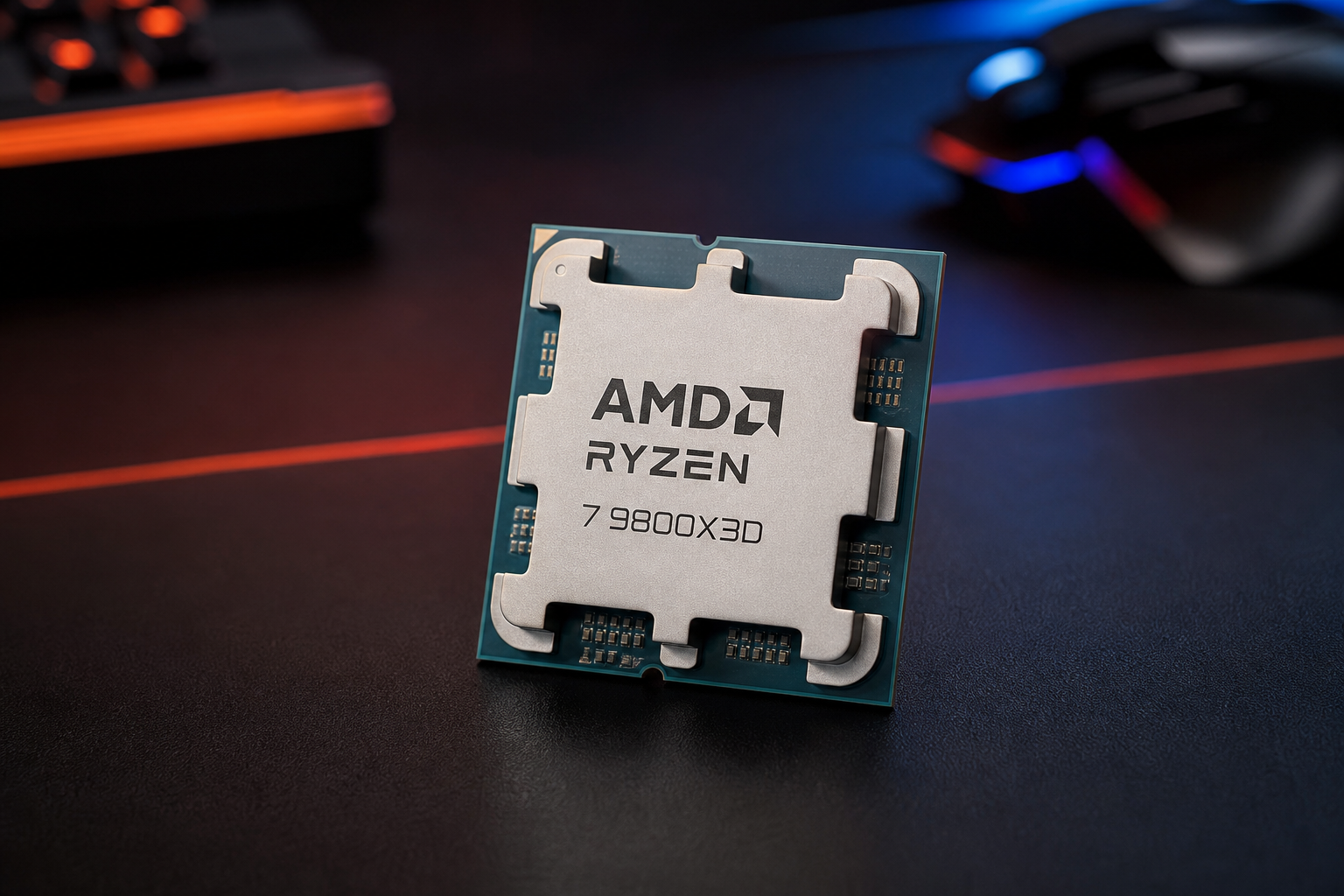
- +Fastest gaming CPU available — 27% faster than i9-14900K in gaming benchmarks
- +96 MB 3D V-Cache eliminates memory bottlenecks in nearly every game engine
- +120W TDP keeps thermals manageable with a mid-range tower cooler
- -$460 premium for 8 cores — you're paying for V-Cache, not core count
- -Multi-threaded productivity trails 12/16-core chips by 30-40%
If gaming FPS is your primary metric, this is the CPU. The V-Cache advantage is real and measurable in every title — it's not a synthetic benchmark trick. Pair with a B650 board and DDR5-6000 CL30 for the sweet spot. The only question is whether you need the extra streaming cores of the 9950X3D.
AMD Ryzen 7 9700X
90-95% of X3D gaming performance at half the premium.
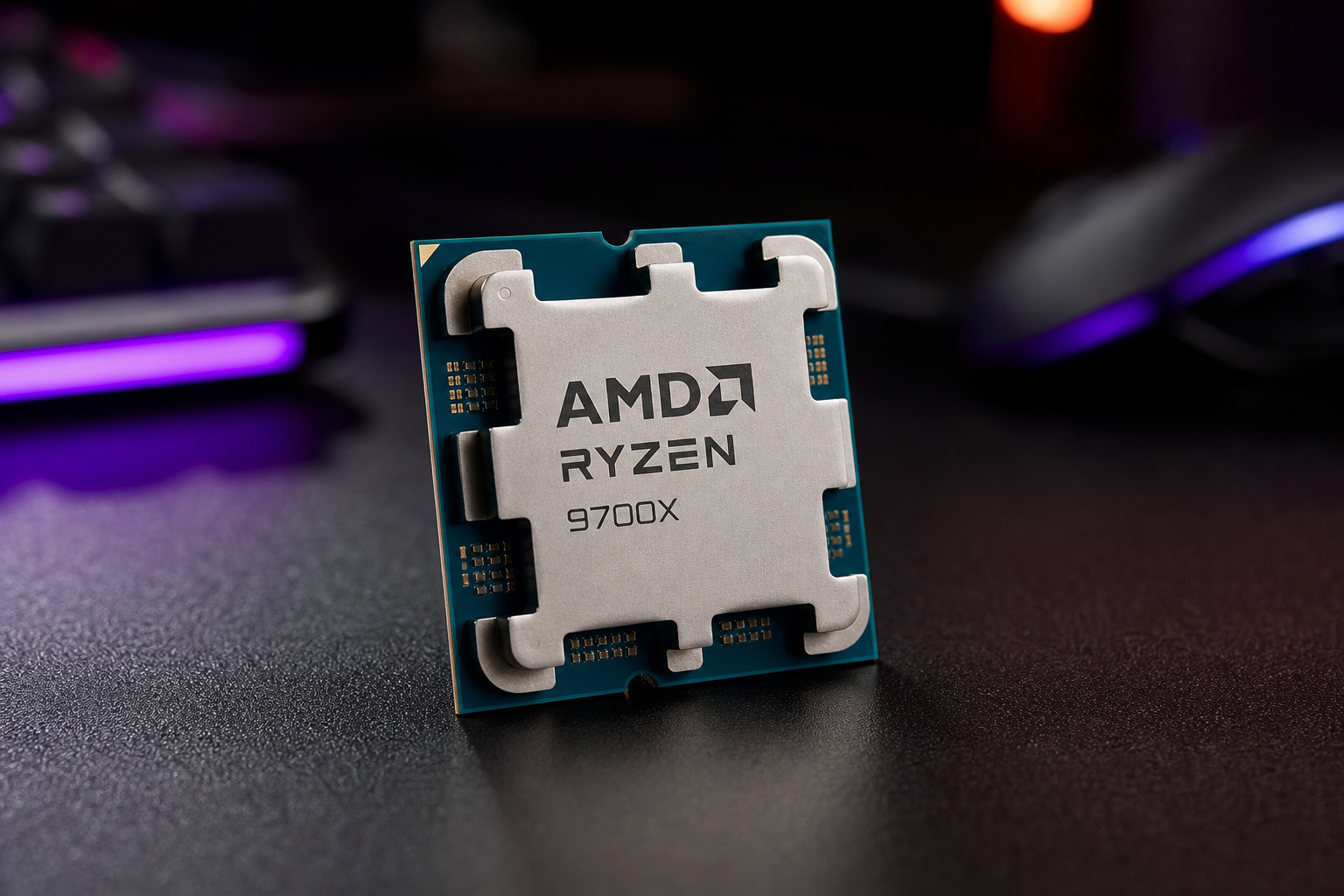
- +Within 5-10% of the 9800X3D at 1440p where the GPU matters more than cache
- +65W TDP — runs cool enough for a compact ITX build with a low-profile cooler
- +AM5 platform gives a clear upgrade path to future X3D chips when prices drop
- -No V-Cache — falls 15-20% behind in CPU-bound 1080p scenarios
- -Only ~3% generational uplift over the cheaper Zen 4 Ryzen 7 7700X
The smart money pick for 1440p gamers. At this resolution, the GPU is the bottleneck 90% of the time — the V-Cache premium of the 9800X3D is wasted. Save $185 and put it toward a better GPU instead.
AMD Ryzen 5 5600
Ultra-budget 1080p builds. Reuse your DDR4 RAM and save hundreds.
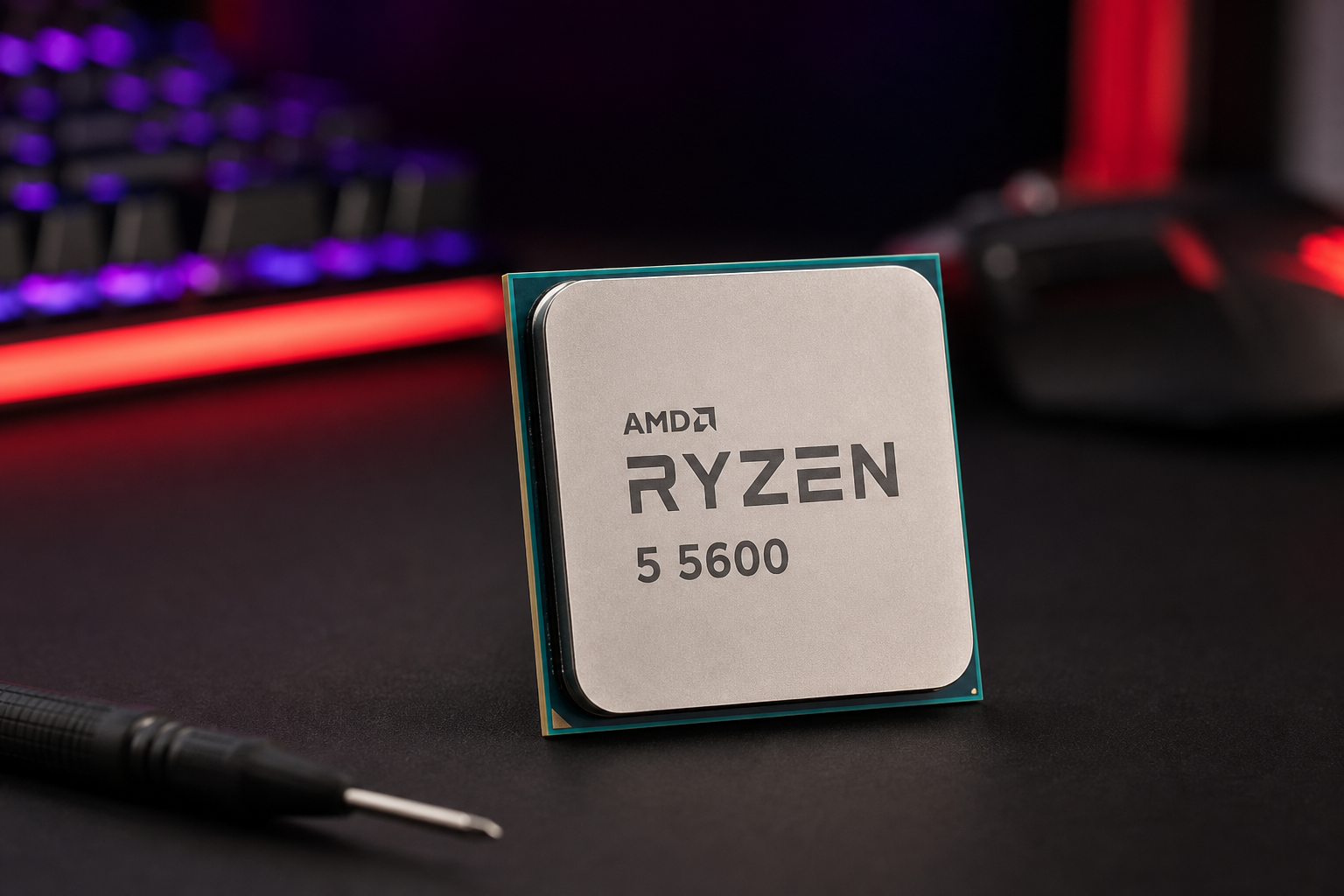
- +~$100 — the cheapest viable gaming CPU with 6 cores and 12 threads
- +Includes Wraith Stealth cooler in the box — no aftermarket cooler needed
- +Massive AM4 motherboard ecosystem: B550 boards start at $60
- -AM4 is end-of-life — no upgrade path beyond Zen 3
- -Noticeably slower than modern Zen 5 in CPU-bound games (15-25% gap at 1080p)
The $100 entry ticket to PC gaming. Pair with a B550 board ($60), 16GB DDR4-3600 ($30), and an RX 7600 XT ($250) and you have a 1080p 144Hz machine for under $500. The AM4 dead-end doesn't matter if your budget says "build now, upgrade later."
AMD Ryzen 7 9850X3D
The absolute fastest gaming silicon. 5.6 GHz boost with full V-Cache.
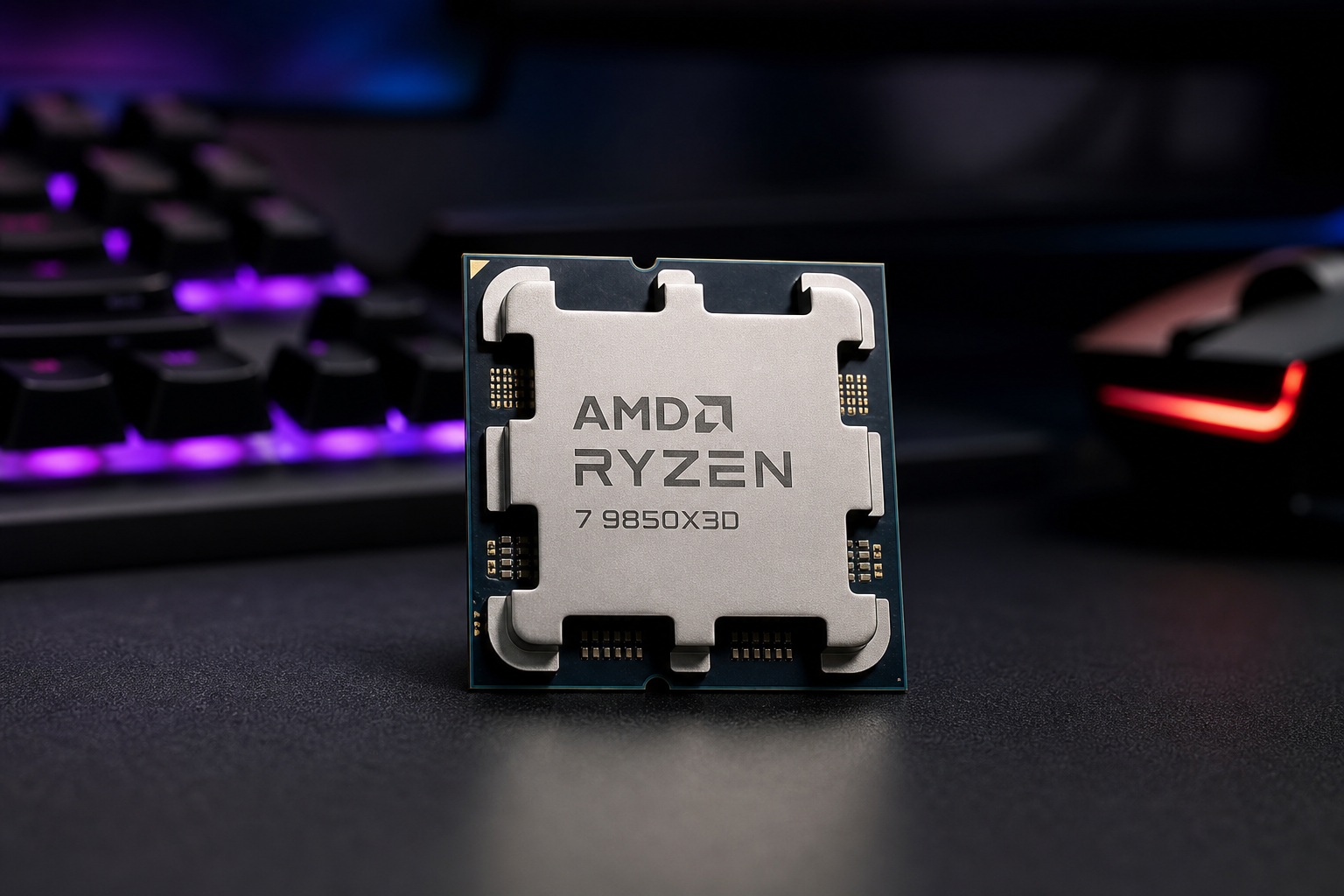
- +Highest single-core boost of any X3D chip — 5.6 GHz vs 5.2 GHz on the 9800X3D
- +Same 96 MB V-Cache advantage with better per-core clocks
- +Newer stepping with improved overclocking headroom vs. the 9800X3D
- -Only ~4% faster than the 9800X3D for $40 more — diminishing returns
- -Still 8 cores — same multitasking ceiling as the cheaper chip
The difference between this and the 9800X3D is 2-4 FPS in most titles. Buy it if you want the absolute best and $40 doesn't register. Otherwise, the 9800X3D is the rational choice.
AMD Ryzen 9 9950X3D
Game at 9800X3D speeds while encoding x264 and running OBS simultaneously.
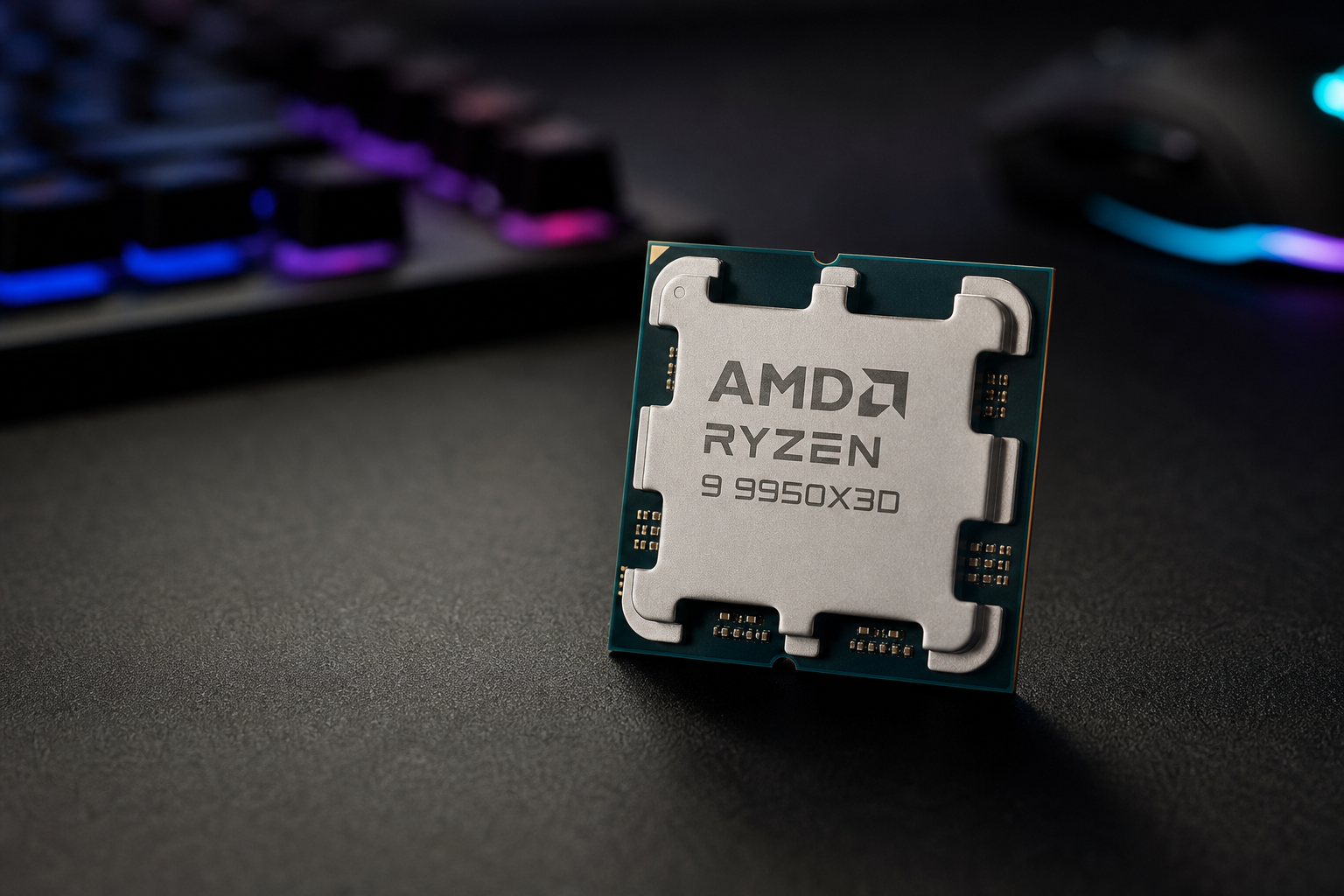
- +Matches the 9800X3D in gaming while delivering 16-core productivity
- +128 MB total L3 cache — largest of any consumer desktop CPU
- +37% faster than Intel Core Ultra 9 285K in gaming benchmarks
- -$699 for identical gaming FPS to the $460 9800X3D — you're paying for the extra 8 cores
- -170W TDP demands a 240mm+ AIO or high-end air cooler
Only buy this if you stream, render video, or compile code alongside gaming. The extra 8 cores handle OBS x264 encoding without stealing frames from your game — the V-Cache CCD runs the game, the standard CCD handles everything else. If you don't stream, the 9800X3D is $240 less for the same FPS.
AMD Ryzen 5 7600X
Cheapest way onto AM5 with a real upgrade path to X3D.
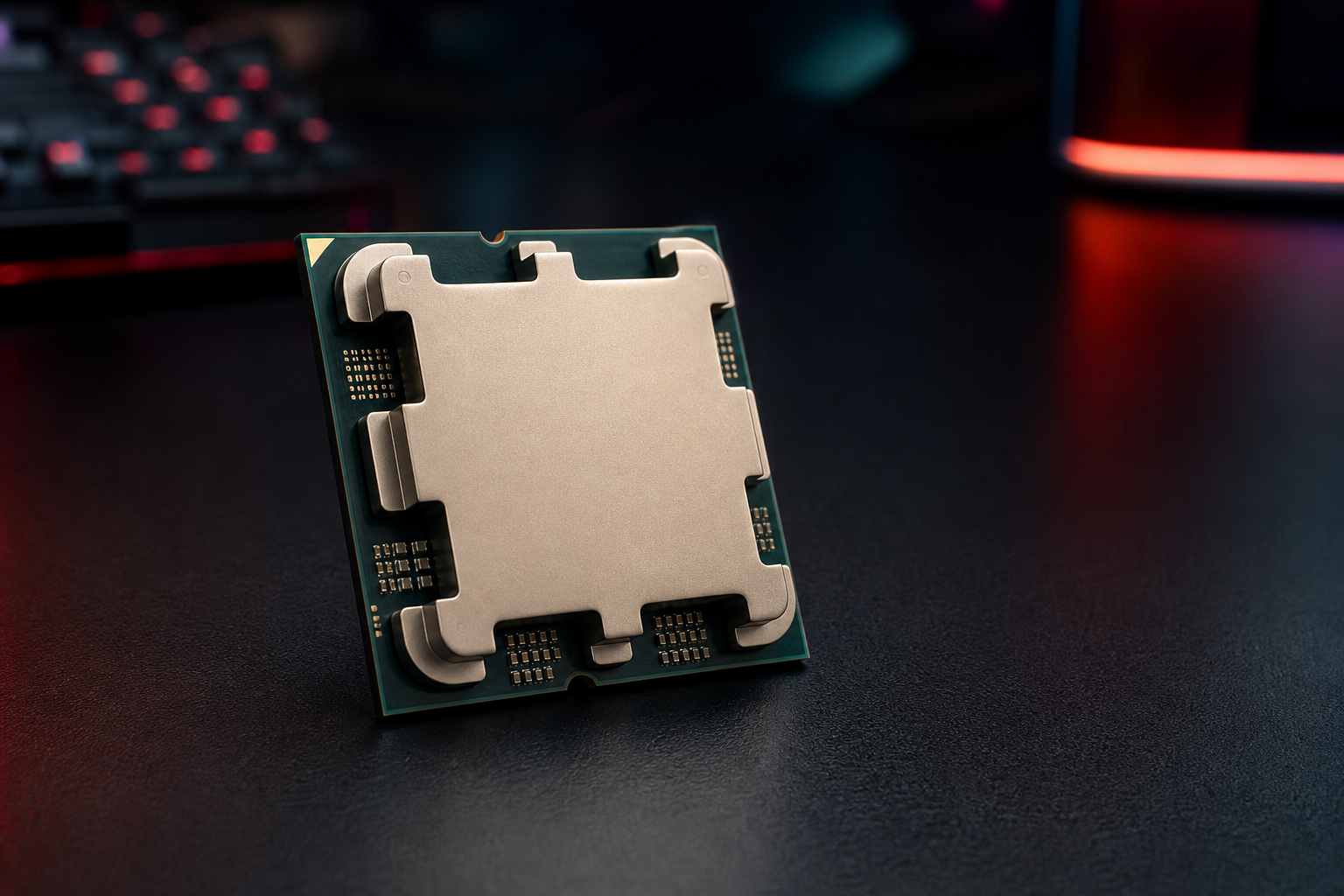
- +$170 gets you onto AM5 with PCIe 5.0, DDR5, and a path to Zen 6
- +5.3 GHz boost — strong single-threaded perf for competitive titles
- +B650 board bundles bring total platform cost under $350
- -6 cores feels limiting in heavily threaded modern titles
- -105W TDP is higher than the newer 65W Zen 5 Ryzen 7 9700X
The on-ramp to AM5. Buy this now, game at 1440p comfortably, then drop in a 9800X3D (or its Zen 6 successor) when prices fall. The platform investment is what matters — the CPU is a placeholder.
Intel Core Ultra 9 285K
Intel builders who need strong productivity alongside gaming.
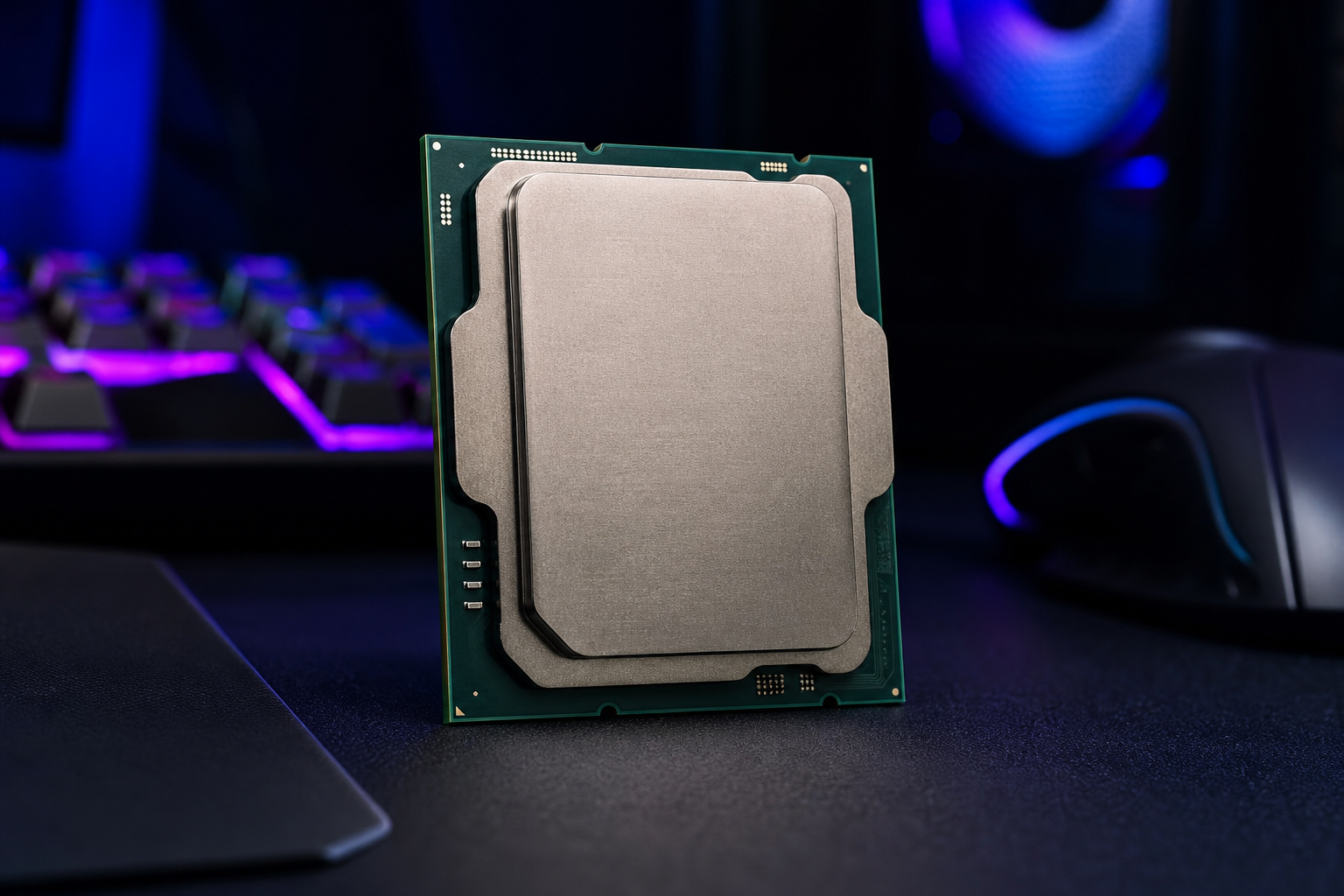
- +24-core productivity beast — excellent for video editing, compiling, and blender
- +Efficient per-core power consumption at stock settings
- +New LGA 1851 platform with CUDIMM DDR5 support for future upgrades
- -38% slower than the Ryzen 7 9800X3D in gaming — a decisive loss
- -No Hyper-Threading means only 24 threads from 24 cores
Honest assessment: if gaming is your priority, buy AMD. Intel's Arrow Lake lost the gaming crown by a wide margin. The 285K makes sense only if you're locked into the Intel ecosystem for professional software compatibility (some enterprise tools are validated only on Intel) or if you value the 24-core multi-threaded ceiling over raw gaming FPS.
AMD Ryzen 7 7800X3D
Top-tier V-Cache gaming on AM5 at a lower price than Zen 5 X3D.
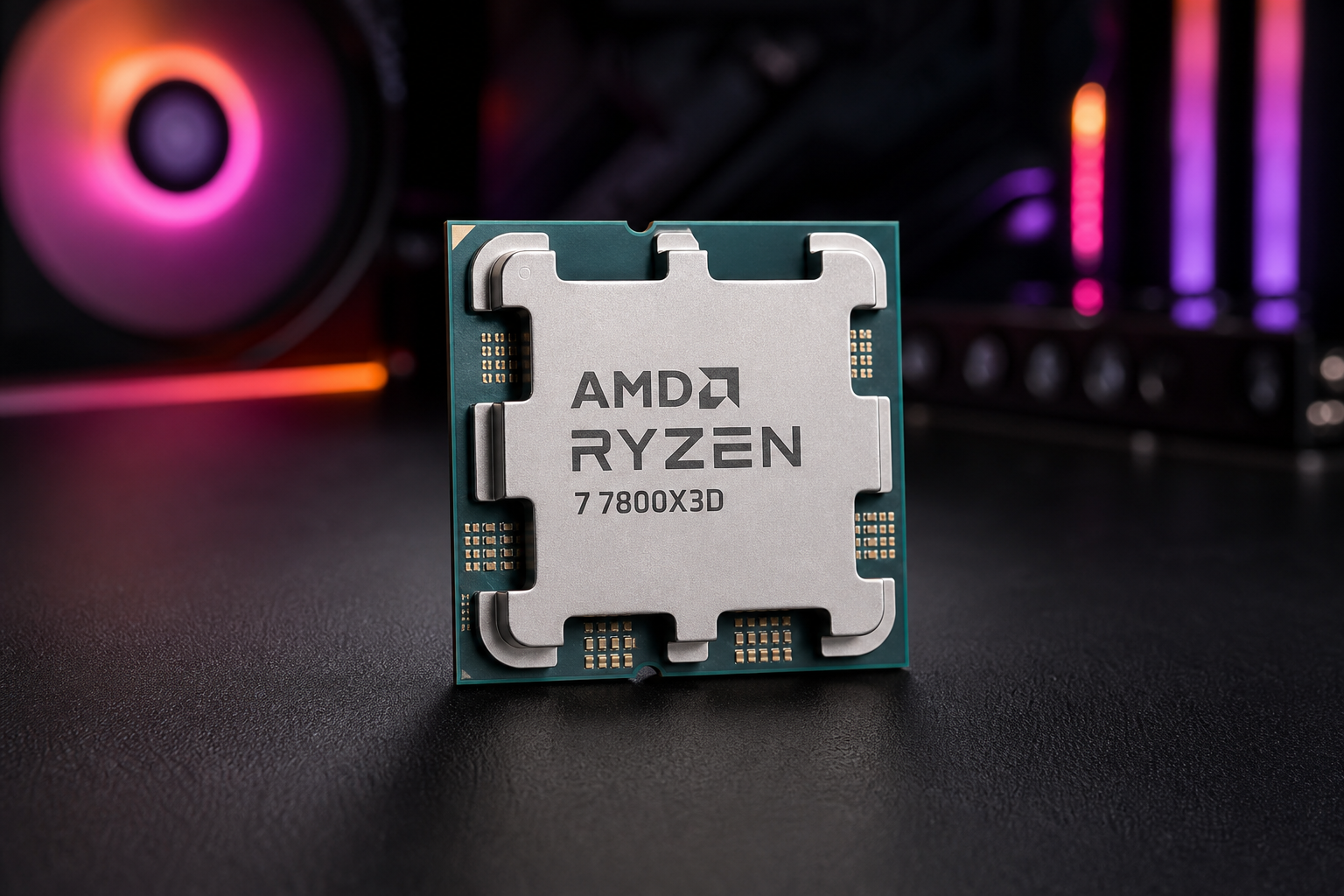
- +Still elite gaming performance — V-Cache advantage persists regardless of Zen generation
- +AM5 platform confirmed through 2027+ gives years of drop-in upgrade headroom
- +At $324 on sale, it's $136 less than the 9800X3D for ~5% less FPS
- -Zen 4 IPC trails Zen 5 by ~15% in non-cache-dependent workloads
- -Stock becoming inconsistent as the chip transitions to end-of-life
The value play for patient builders. At $324, it delivers 95% of the 9800X3D's gaming output. When Zen 6 X3D arrives and the 9800X3D drops to $350, you'll have already been gaming at V-Cache speeds for a year. AM5 means you can always drop in the next-gen chip later.
AMD Ryzen 7 9800X3D
Maximum FPS at 1080p where the CPU is the bottleneck.
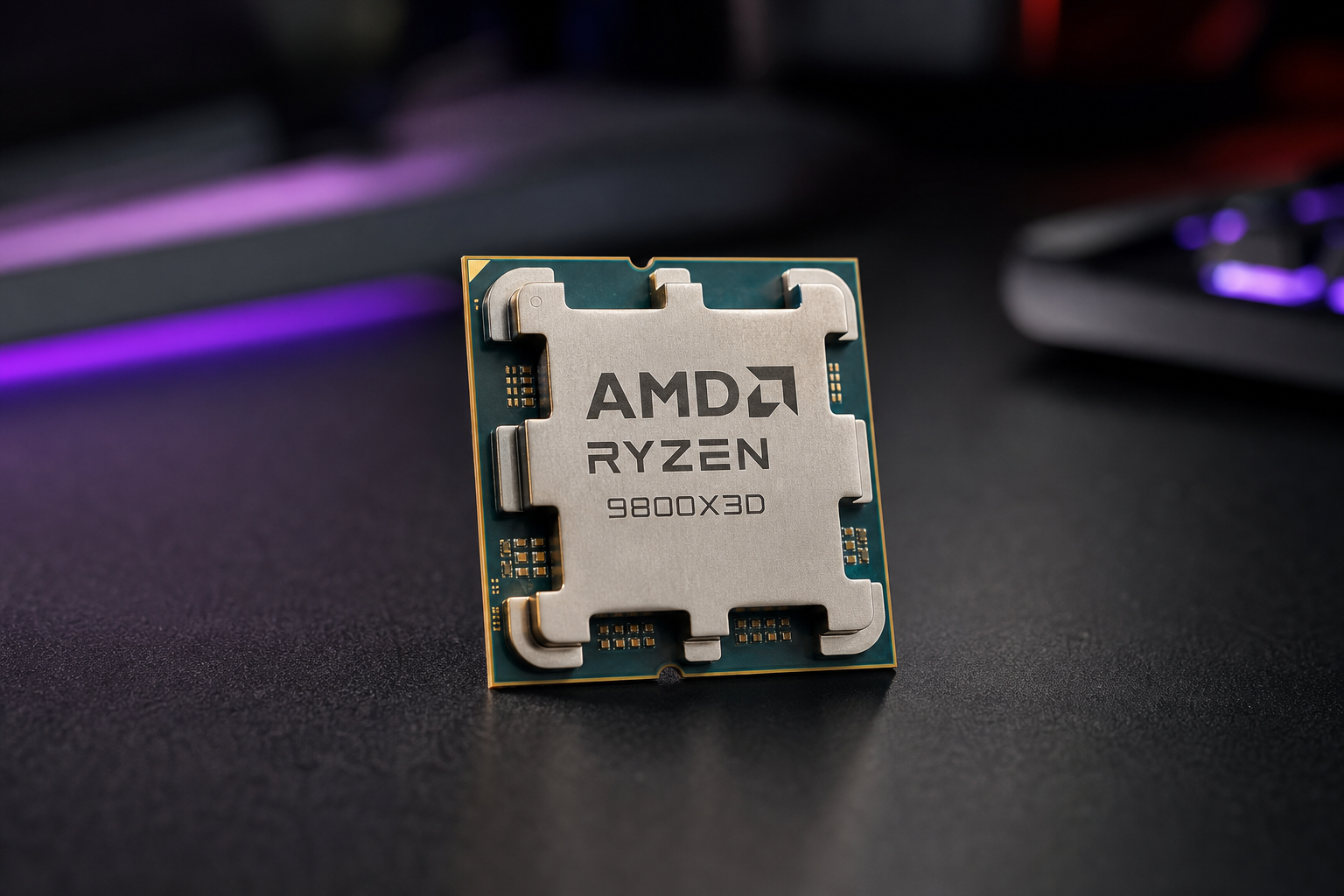
- +At 1080p the GPU isn't the limiter — V-Cache gives the largest advantage here
- +Pushes 600+ FPS in Valorant, 500+ in CS2 on a 540Hz monitor
- +Lowest 1% lows of any CPU — the smoothest competitive experience available
- -At 1440p/4K the advantage over cheaper CPUs shrinks as the GPU becomes the bottleneck
- -$460 is significant if your monitor is only 144Hz — you'll never see the extra frames
If you play Valorant, CS2, Apex, or Fortnite on a 240Hz+ monitor at 1080p and your rank matters, this is non-negotiable. The V-Cache advantage is largest at 1080p where the CPU is the performance ceiling. Pair with an RTX 4070 SUPER or better and DDR5-6000.
AMD Ryzen 7 5800X3D
The ultimate DDR4 upgrade. Drop-in for any AM4 board.
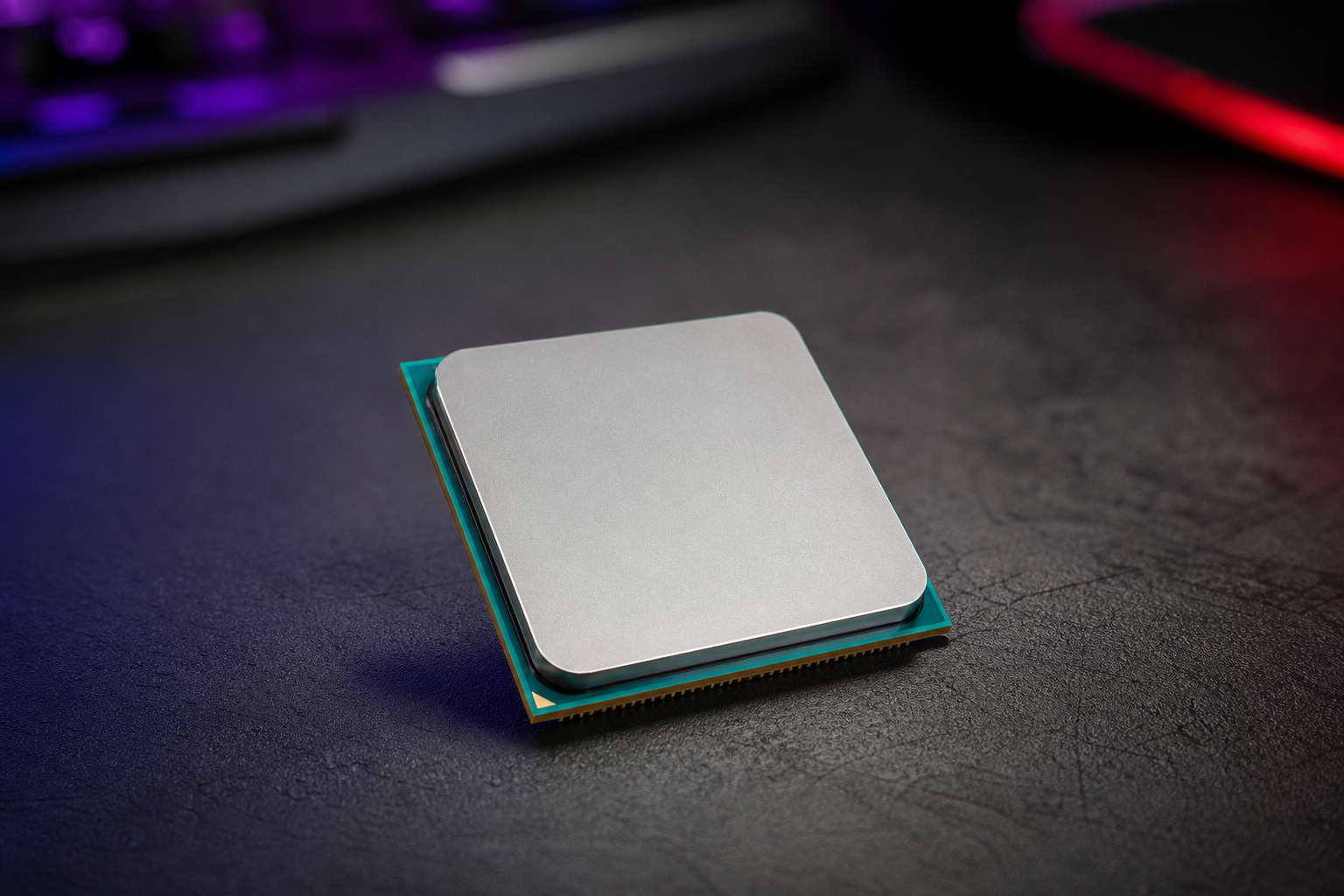
- +Fastest gaming CPU on DDR4 — V-Cache compensates for the slower memory
- +Drop-in upgrade for any AM4 B450/B550/X570 board (BIOS update may be needed)
- +AMD re-releasing a 10th Anniversary Edition in 2026 with fresh supply
- -AM4 is a dead-end — no upgrade path beyond this chip
- -4.5 GHz boost ceiling limits performance vs. 5.0+ GHz AM5 parts
If you already have an AM4 board and DDR4 memory, this is the endgame CPU. Don't buy a whole new platform — drop this in and you'll match a stock Ryzen 7 7700X in gaming. The V-Cache advantage makes DDR4's bandwidth penalty almost irrelevant in most game engines.
How to pick the right gaming cpus
V-Cache is the biggest differentiator
AMD’s 3D V-Cache stacks an extra 64 MB of L3 cache on top of the CPU die. This means the processor can keep more game data in its fastest memory tier instead of fetching from slower system RAM. The result: 15-30% more FPS in cache-sensitive titles (which is most of them). Every X3D chip on this list outperforms its non-X3D counterpart in gaming.
Resolution determines how much the CPU matters
At 1080p, the CPU is often the bottleneck — V-Cache and clock speed differences are fully visible. At 1440p, the GPU starts to matter more. At 4K, almost any modern 8-core CPU delivers the same FPS because the GPU is the ceiling. If you play at 4K, save money on the CPU and invest in the GPU.
DDR5-6000 CL30 is the sweet spot for AM5
AMD’s Infinity Fabric runs best when the memory clock divides evenly into 2:1 with the FCLK. DDR5-6000 hits this sweet spot at 3000 MHz FCLK. Going higher (6400, 7200) either forces a less efficient 1:2 ratio or requires manual FCLK overclocking that most boards can’t sustain. Buy DDR5-6000 CL30 and don’t overthink it.
Core count only matters if you stream or create
Games today use 6-8 threads effectively. 12 and 16-core CPUs provide zero additional FPS in gaming. The extra cores matter only if you’re running OBS with x264 encoding, rendering video, or compiling code while gaming. If you don’t multitask, 8 cores with V-Cache beats 16 cores without it.