Best Gaming GPUs in 2026
We compared current NVIDIA and AMD graphics cards using published benchmark data and current prices to find the best GPUs for every budget and resolution. Whether you play at 1080p or push native 4K, these are the cards worth buying right now.
Updated May 2026. Prices are approximate. BetterFPS earns a commission on qualifying Amazon purchases at no extra cost to you.
| Award | Name | VRAM | Boost Clock | TDP | Chip | Price |
|---|---|---|---|---|---|---|
| Best Overall | NVIDIA GeForce RTX 5080 | 16 GB GDDR7 | 2617 MHz | 360 W | Blackwell GB203 | $999 |
| Best Value | AMD Radeon RX 9070 XT | 16 GB GDDR6 | 2980 MHz | 304 W | RDNA 4 Navi 48 | $599 |
| Best Budget | NVIDIA GeForce RTX 5060 | 8 GB GDDR7 | 2535 MHz | 145 W | Blackwell GB206 | $299 |
| Best 4K | NVIDIA GeForce RTX 5090 | 32 GB GDDR7 | 2407 MHz | 575 W | Blackwell GB202 | $1,999 |
| Best 1440p | NVIDIA GeForce RTX 5070 Ti | 16 GB GDDR7 | 2452 MHz | 300 W | Blackwell GB203 | $749 |
| Best 1080p | NVIDIA GeForce RTX 5060 Ti 16GB | 16 GB GDDR7 | 2572 MHz | 180 W | Blackwell GB205 | $429 |
| Best AMD | AMD Radeon RX 9070 | 16 GB GDDR6 | 2520 MHz | 220 W | RDNA 4 Navi 48 | $549 |
| Best NVIDIA | NVIDIA GeForce RTX 5070 | 12 GB GDDR7 | 2512 MHz | 250 W | Blackwell GB205 | $549 |
| Best Ray Tracing | NVIDIA GeForce RTX 5080 Founders... | 16 GB GDDR7 | 2617 MHz | 360 W | Blackwell GB203 | $999 |
| Best Efficiency | NVIDIA GeForce RTX 5060 Ti 8GB | 8 GB GDDR7 | 2572 MHz | 180 W | Blackwell GB205 | $379 |
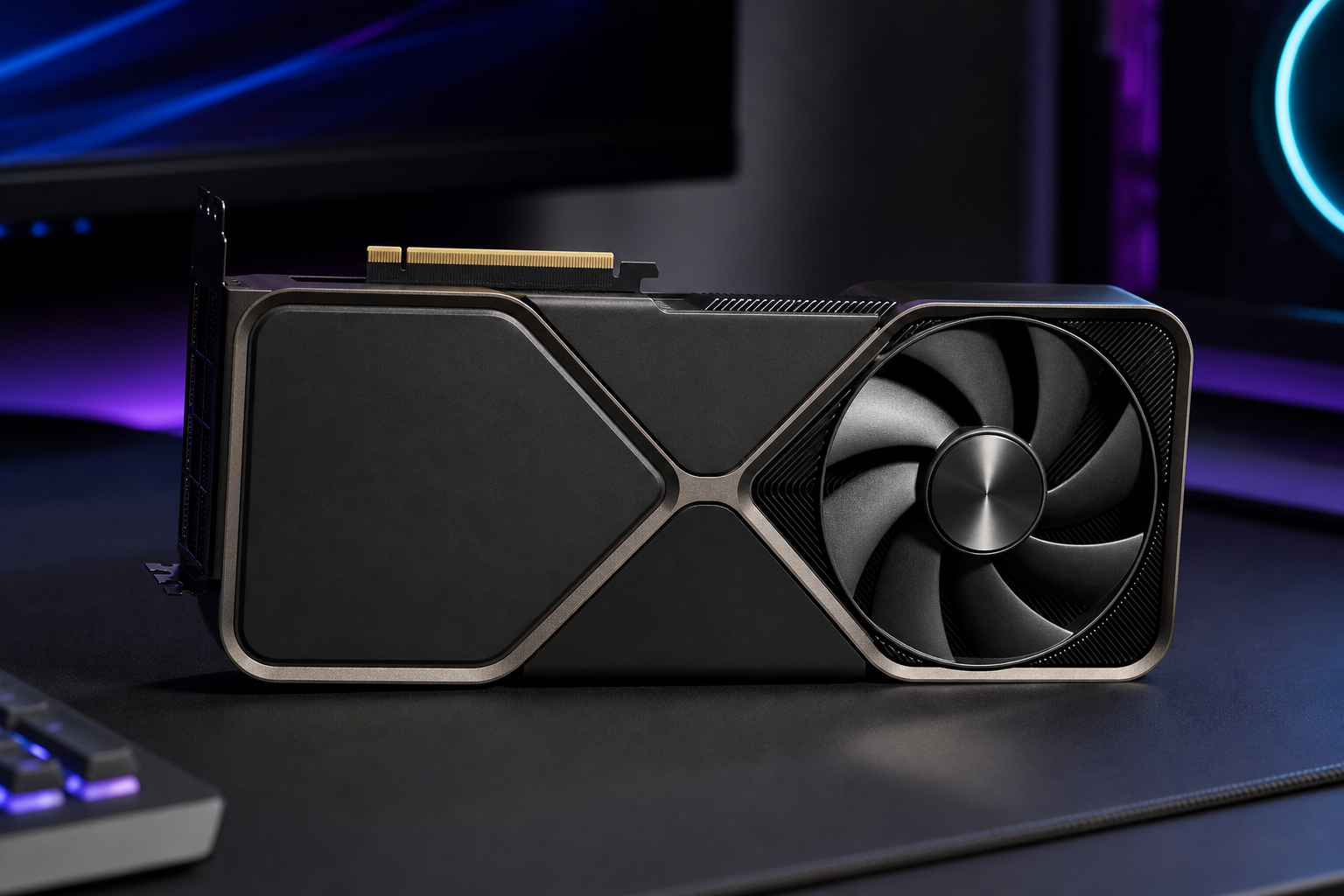
NVIDIA GeForce RTX 5080
Gamers who want top-tier 4K performance without the extreme price of the RTX 5090.
- +Exceptional 4K and 1440p gaming performance
- +16 GB GDDR7 handles every modern title
- +DLSS 4 with Multi Frame Generation
- +Significantly cheaper than the RTX 5090
- -Street prices often well above MSRP
- -360 W TDP requires a beefy PSU
- -Only marginal gains over the 5070 Ti at 1440p
The RTX 5080 is the best all-around GPU for enthusiasts. It delivers 90%+ of the 5090's gaming performance at a fraction of the cost, and 16 GB of GDDR7 ensures you won't hit VRAM walls any time soon.
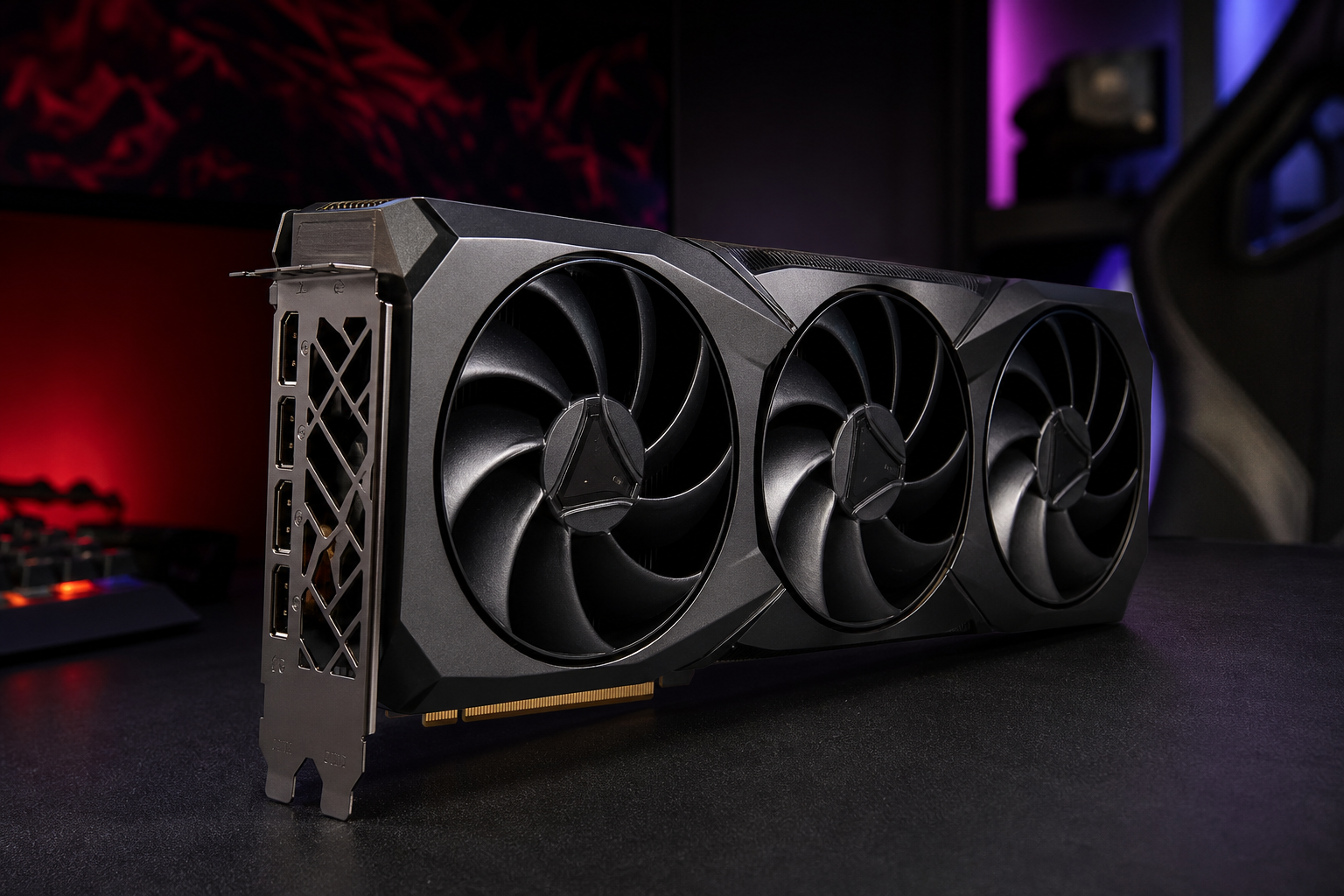
AMD Radeon RX 9070 XT
Gamers who want near-RTX-5070-Ti performance for substantially less money.
- +Trades blows with the RTX 5070 Ti in rasterization
- +16 GB VRAM at a competitive price
- +Lower power draw than competing NVIDIA cards
- +Strong open-source driver support on Linux
- -Ray tracing lags behind NVIDIA equivalents
- -FSR 4 supported in fewer titles than DLSS
- -Availability can be spotty
The RX 9070 XT is AMD's best GPU in years. It delivers roughly 95% of the RTX 5070 Ti's rasterization performance at 80% of the cost, making it the value king for 1440p and entry-level 4K gaming.
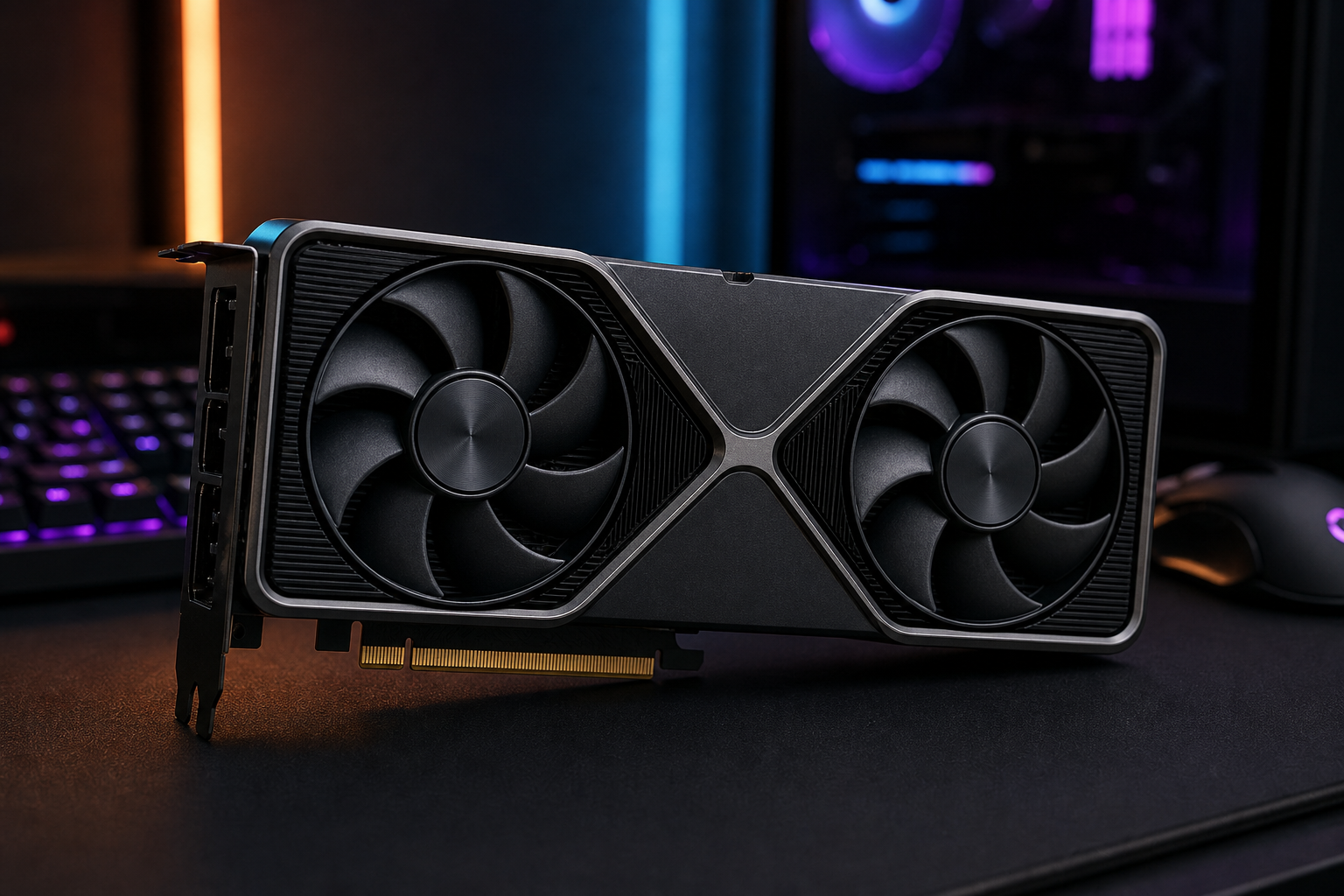
NVIDIA GeForce RTX 5060
Budget builds that still want Blackwell features and DLSS 4 at 1080p.
- +Extremely power-efficient at 145 W
- +Full DLSS 4 and ray tracing support
- +Fits in compact builds with no extra power connector on some models
- +Strong 1080p performance across all modern titles
- -8 GB VRAM limits longevity at higher resolutions
- -Not ideal for 1440p ultra settings
- -Competes with remaining RTX 4060 Ti stock
At $299, the RTX 5060 brings Blackwell to the masses. DLSS 4 frame generation makes it punch way above its weight, and the 145 W TDP means any 500 W PSU will handle it with ease.
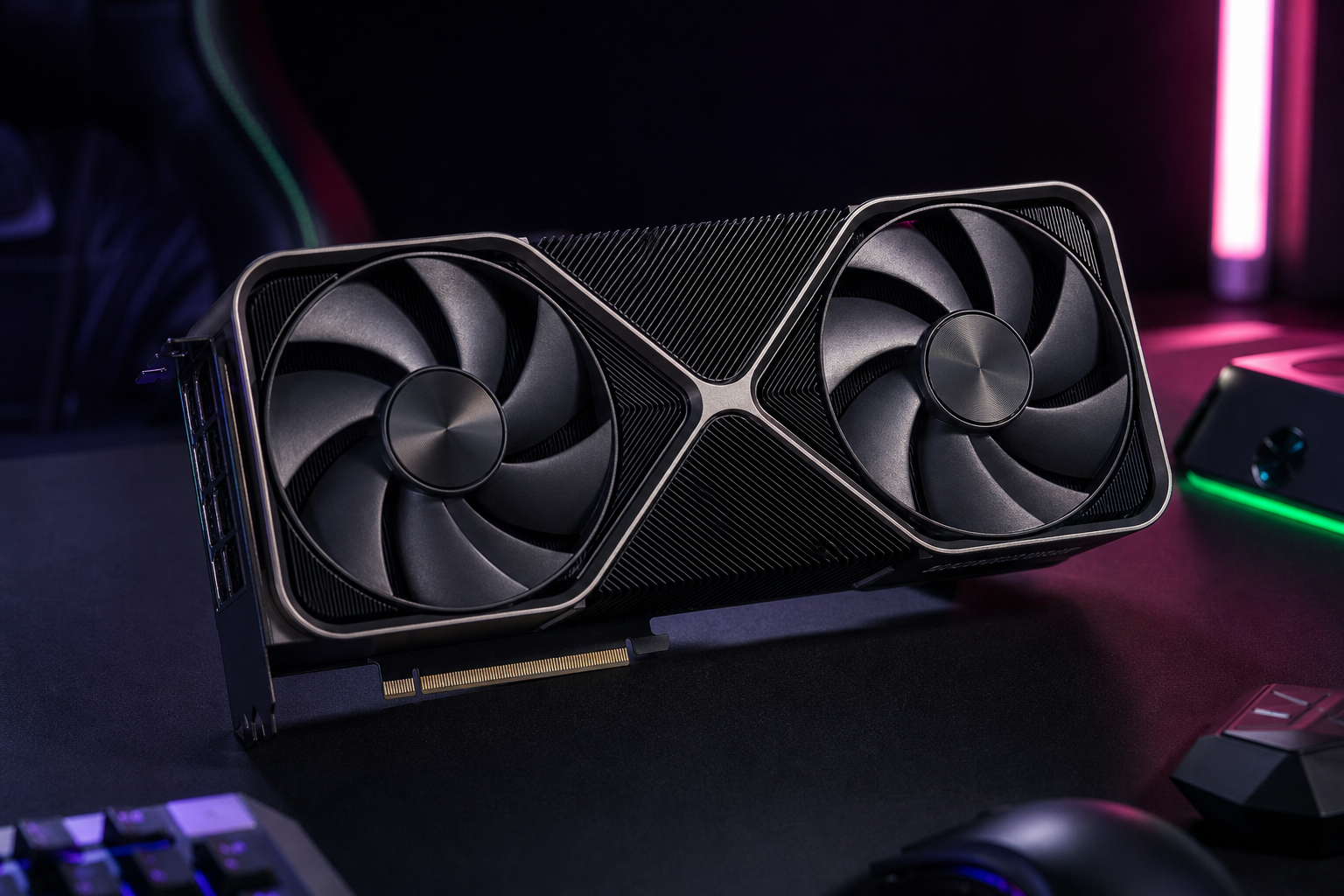
NVIDIA GeForce RTX 5090
No-compromise gamers running 4K 120 Hz+ with full ray tracing and max settings.
- +Unmatched 4K gaming performance
- +32 GB GDDR7 is future-proof for years
- +Best ray tracing and DLSS 4 implementation
- +21,760 CUDA cores crush any workload
- -Extreme price, often $3,000+ at retail
- -575 W TDP demands a premium PSU
- -Massive triple-slot cooler limits case compatibility
The RTX 5090 is the undisputed king of 4K gaming. If money and power draw are no object, nothing else comes close. For most gamers, though, the 5080 hits 90% of the performance for far less.
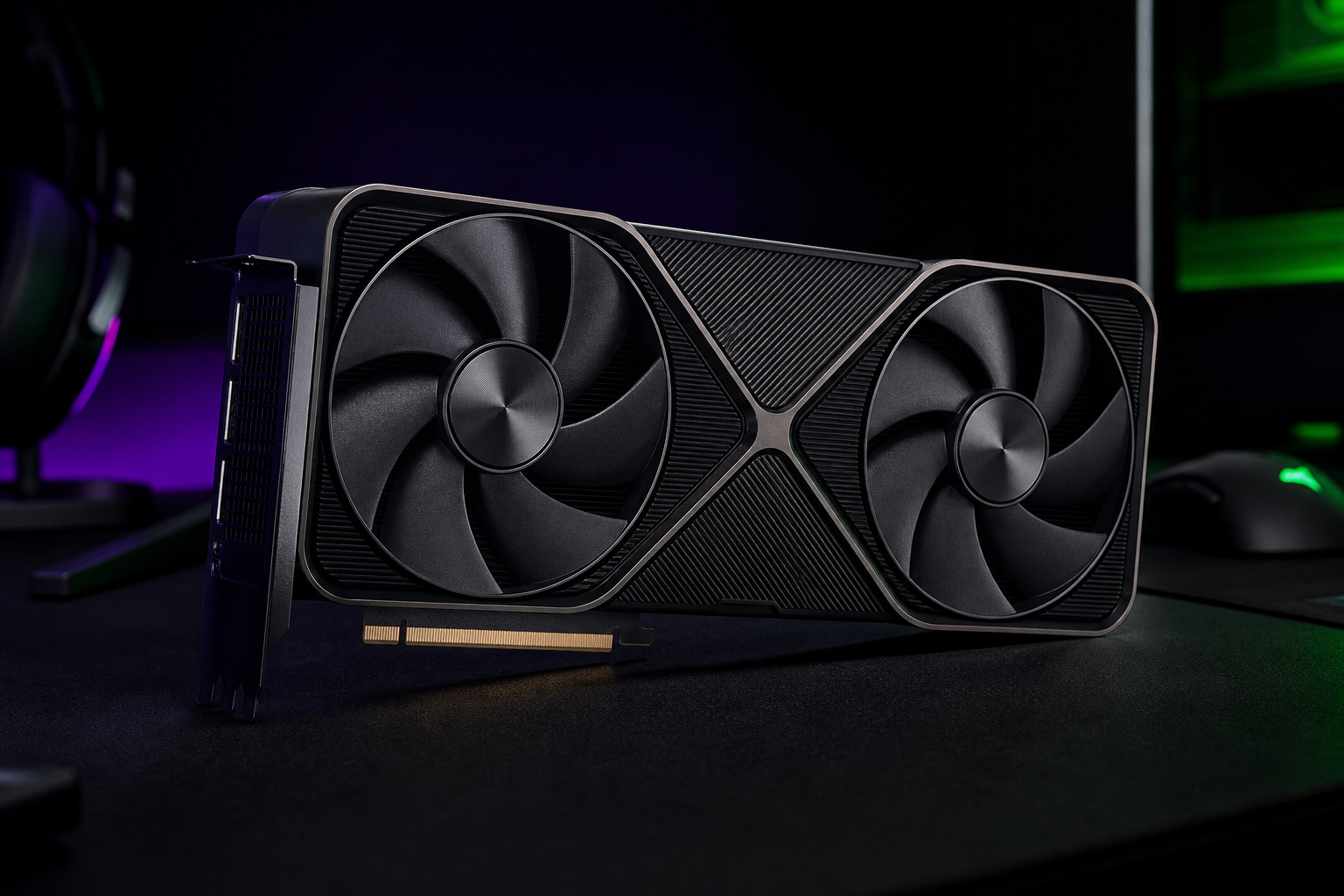
NVIDIA GeForce RTX 5070 Ti
The sweet spot for high-refresh 1440p gaming with plenty of headroom for ray tracing.
- +Excellent 1440p performance at 144 Hz+
- +16 GB GDDR7 handles ultra textures easily
- +Great balance of price and performance in the NVIDIA lineup
- +Cooler and quieter than the 5080
- -RX 9070 XT offers similar raster performance for less
- -300 W still needs a quality 750 W PSU
- -Incremental uplift over the non-Ti 5070
The RTX 5070 Ti sits in the sweet spot of NVIDIA's Blackwell lineup. It handles 1440p at max settings with ease, and DLSS 4 pushes it into 4K territory when you need it.
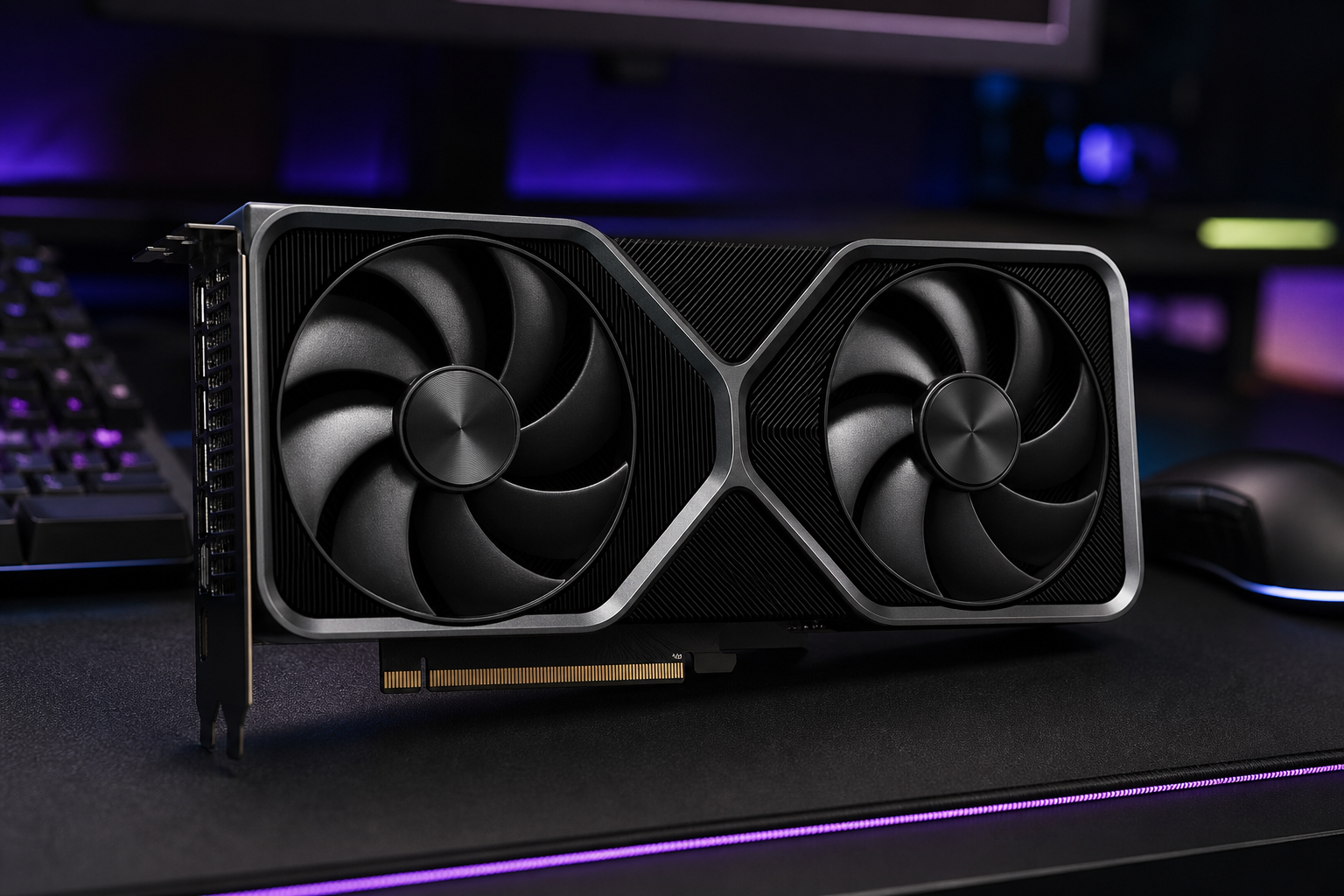
NVIDIA GeForce RTX 5060 Ti 16GB
1080p gamers who want 16 GB of VRAM and strong 1440p capability at a mid-range price.
- +16 GB model eliminates VRAM concerns
- +180 W TDP keeps power and heat in check
- +Excellent 1080p max-settings performance
- +Capable 1440p card with DLSS enabled
- -128-bit bus limits raw bandwidth
- -The 8 GB version exists at $379 and muddies the lineup
- -RX 9070 is competitive at this price bracket
The 16 GB RTX 5060 Ti is the card to buy if you play at 1080p but want to step up to 1440p later. The extra VRAM over the 8 GB model is worth the $50 premium for anyone planning to keep this card for a few years.
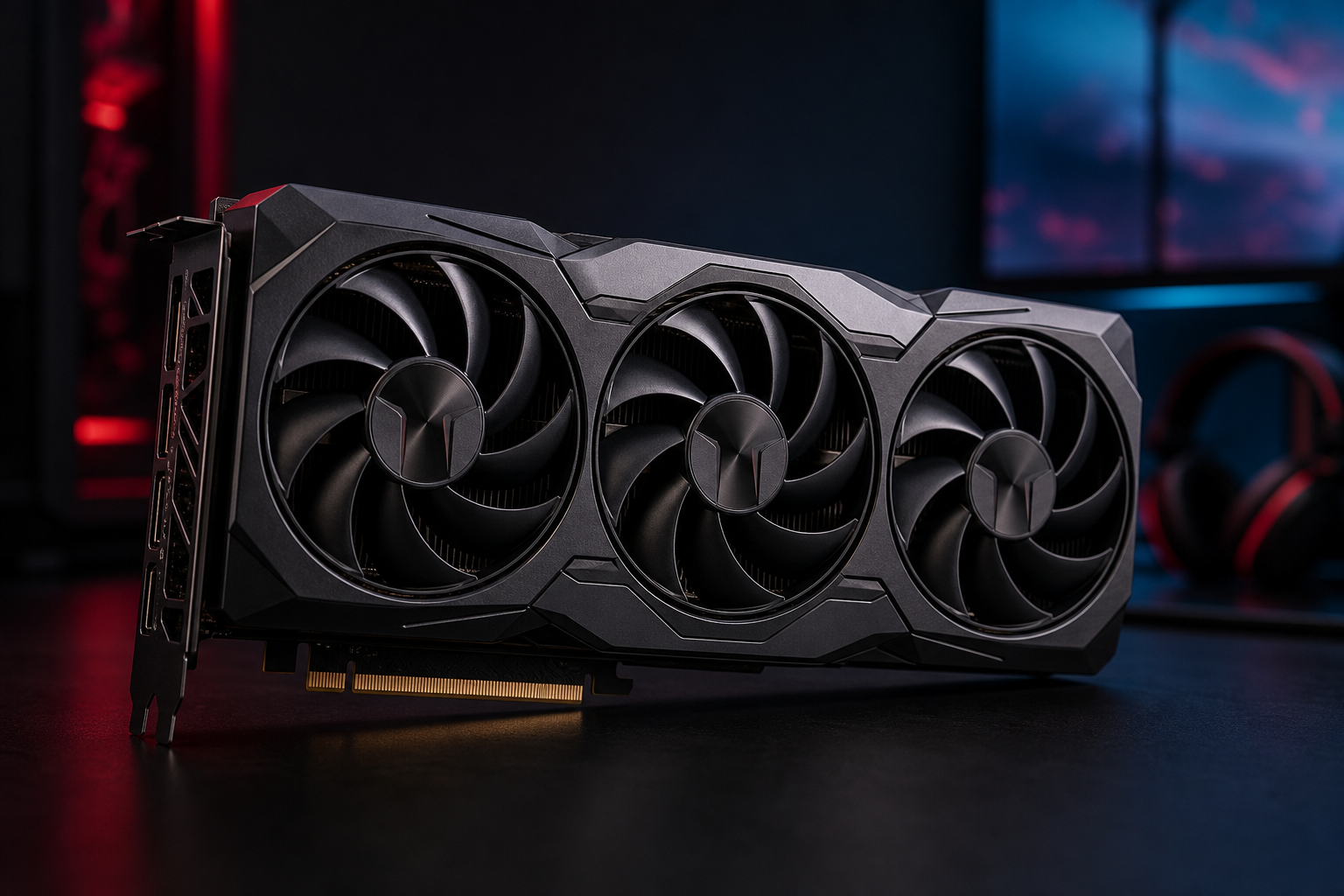
AMD Radeon RX 9070
AMD fans who want 16 GB and solid 1440p performance without paying XT prices.
- +16 GB GDDR6 at a competitive price
- +220 W TDP is very manageable
- +Great 1440p rasterization performance
- +Strong value compared to RTX 5070
- -Ray tracing trails NVIDIA counterparts
- -No GDDR7, though bandwidth is still adequate
- -FSR ecosystem is smaller than DLSS
The non-XT RX 9070 is a compelling mid-range option. It pairs 16 GB of VRAM with modest power draw, making it a smart pick for 1440p gamers on AMD platforms who don't need the XT's extra muscle.
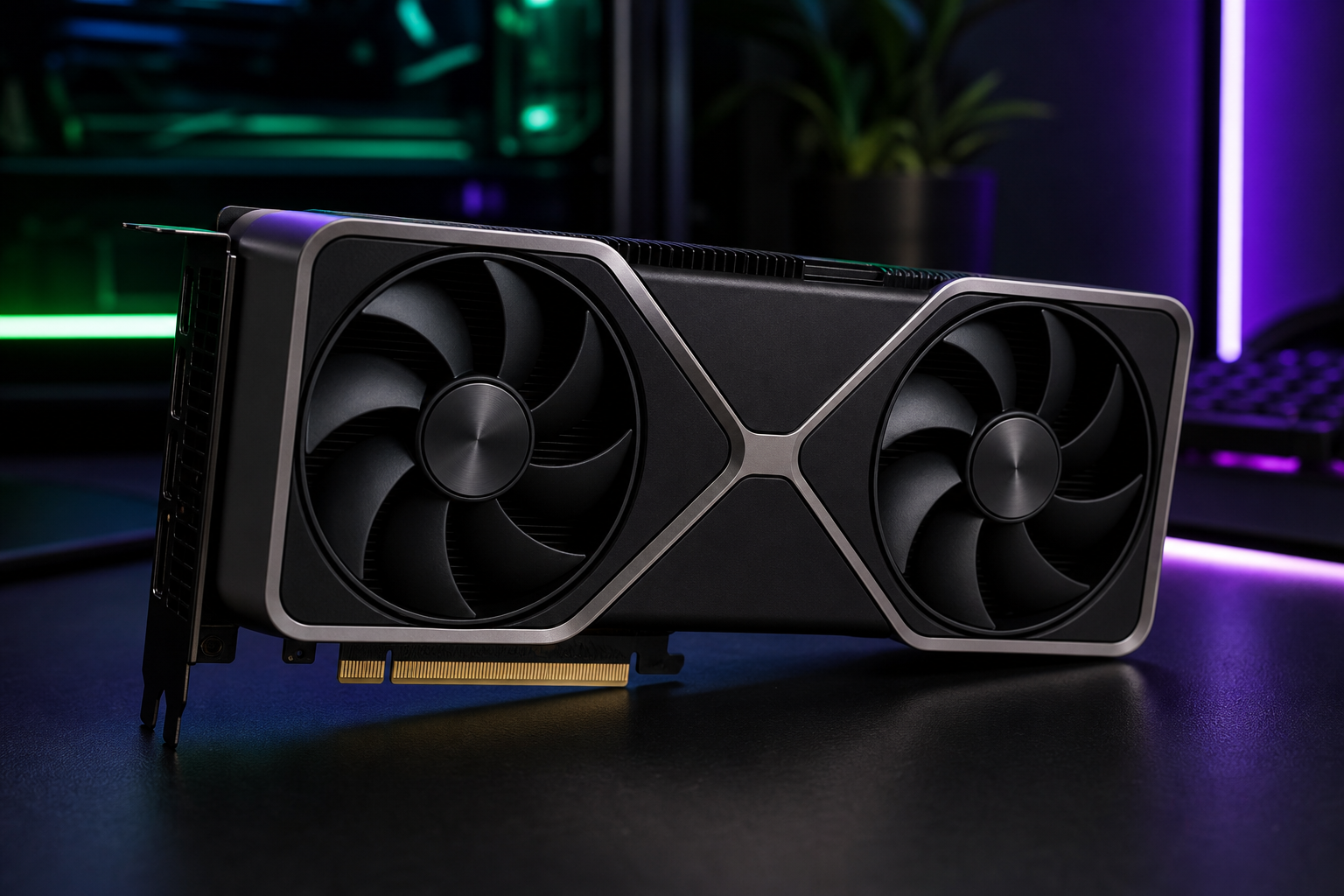
NVIDIA GeForce RTX 5070
NVIDIA loyalists who want Blackwell ray tracing and DLSS 4 without breaking the bank.
- +Full Blackwell feature set including DLSS 4
- +Strong 1440p performance
- +250 W is reasonable for this performance tier
- +GDDR7 bandwidth compensates for 12 GB capacity
- -12 GB VRAM is the Achilles heel at this price
- -Competes directly with the 16 GB RX 9070
- -Street prices often $100+ over MSRP
The RTX 5070 delivers the full NVIDIA experience at a mainstream price. DLSS 4 and superior ray tracing justify its existence against the better-equipped RX 9070, but the 12 GB VRAM is a tough sell long-term.
NVIDIA GeForce RTX 5080 Founders Edition
Ray tracing enthusiasts who want path-traced games at playable frame rates without RTX 5090 pricing.
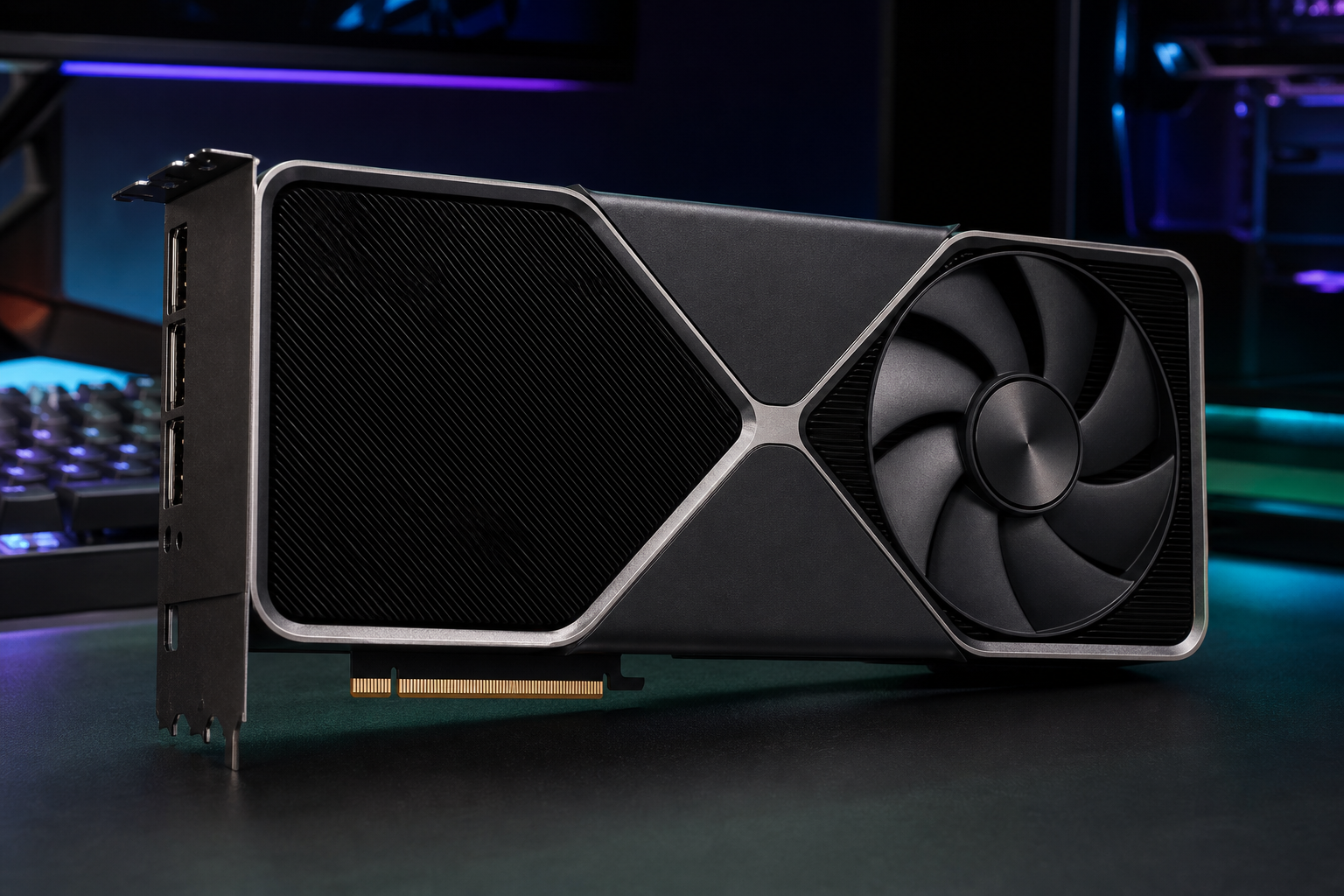
- +Second-best RT performance behind only the 5090
- +DLSS 4 Multi Frame Generation keeps RT frame rates high
- +16 GB VRAM handles RT texture demands
- +Founders Edition cooler is quiet and compact
- -RT at 4K still needs DLSS to hit 60+ fps in heavy titles
- -360 W power draw under RT workloads
- -Limited availability on Founders Edition
For ray tracing, NVIDIA is the only serious option, and the RTX 5080 hits the best balance of RT performance and price. Path-traced Cyberpunk at 1440p with DLSS is a smooth experience on this card.
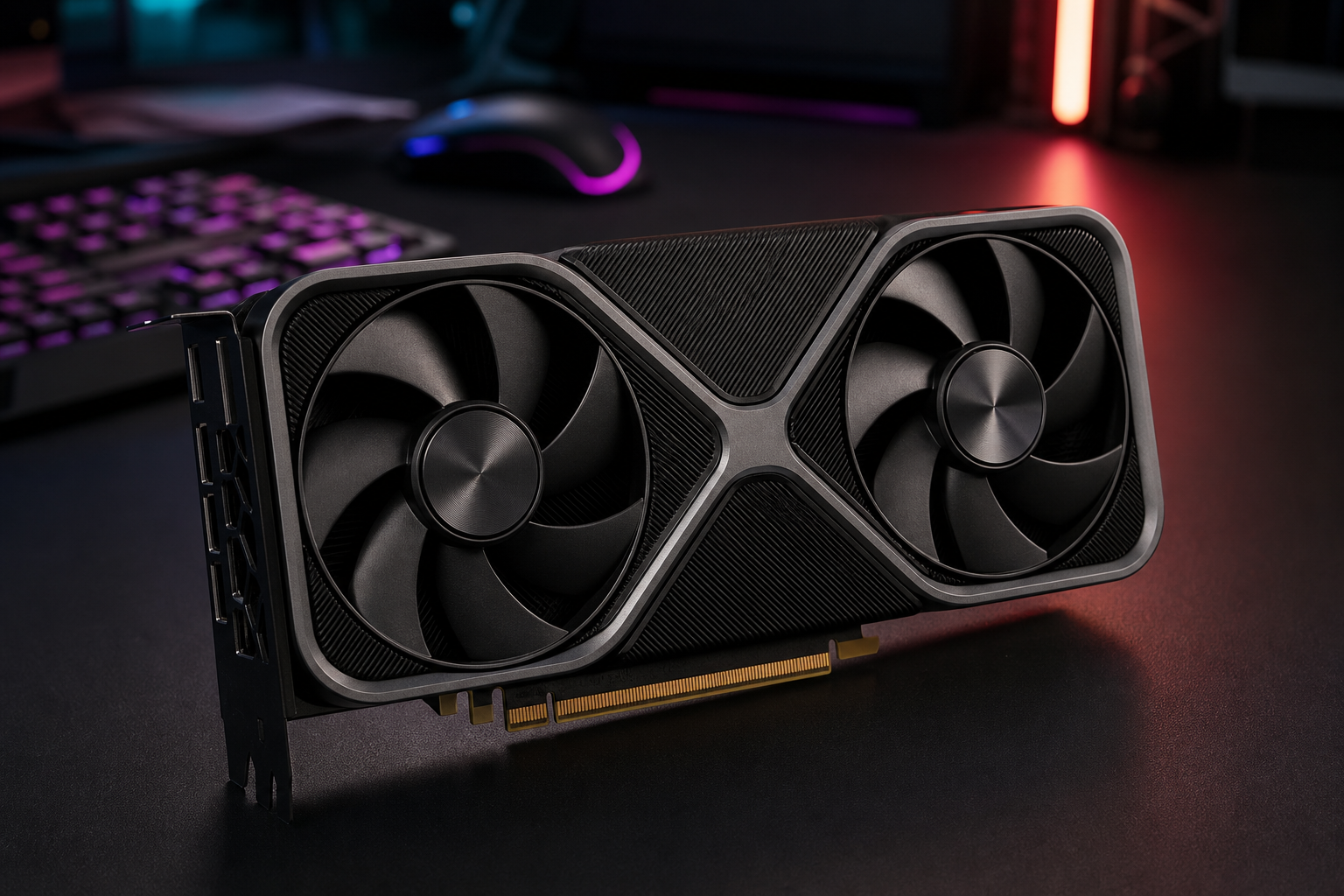
NVIDIA GeForce RTX 5060 Ti 8GB
Compact or efficiency-focused builds that want strong 1080p performance without a big PSU.
- +Only 180 W TDP with strong performance per watt
- +Full Blackwell architecture features
- +Fits easily in SFF and mATX builds
- +Quiet operation under load
- -8 GB VRAM is limiting for future titles
- -Only $50 less than the 16 GB version
- -128-bit memory bus constrains bandwidth
The 8 GB RTX 5060 Ti is the most power-efficient Blackwell card. At 180 W it sips power while delivering solid 1080p performance, making it ideal for small form factor builds where heat and noise matter most.
How to pick the right graphics cards
Match the GPU to your monitor
A 4K 144 Hz panel demands a top-tier card like the RTX 5080, while a 1080p 165 Hz setup runs great on a budget RTX 5060. Overspending on GPU power your monitor cannot display is wasted money.
VRAM matters more than ever
Modern games with ultra textures and ray tracing can consume 12 GB or more at 1440p. Cards with 16 GB of VRAM offer the most headroom, while 8 GB is the minimum you should consider in 2026.
Factor in total system power
A 575 W GPU like the RTX 5090 needs an 850 W+ PSU. Budget cards at 145 W are far friendlier on your power supply and electricity bill. Always check the recommended PSU wattage before buying.
Ray tracing vs. rasterization
NVIDIA still leads in ray tracing thanks to dedicated RT cores. If path-traced titles like Cyberpunk 2077 are a priority, lean NVIDIA. For pure rasterization at a lower price, AMD's RX 9070 series delivers excellent value.
DLSS, FSR, and frame generation
NVIDIA's DLSS 4 with Multi Frame Generation can double perceived frame rates. AMD's FSR 4 is catching up. Both technologies let a mid-range card punch well above its weight in supported games.