DLSS 5 mod splits neural rendering across two GPUs, cuts performance hit
Dual-GPU DLSS mod cuts neural rendering overhead by up to 40%, but only if you have a spare card
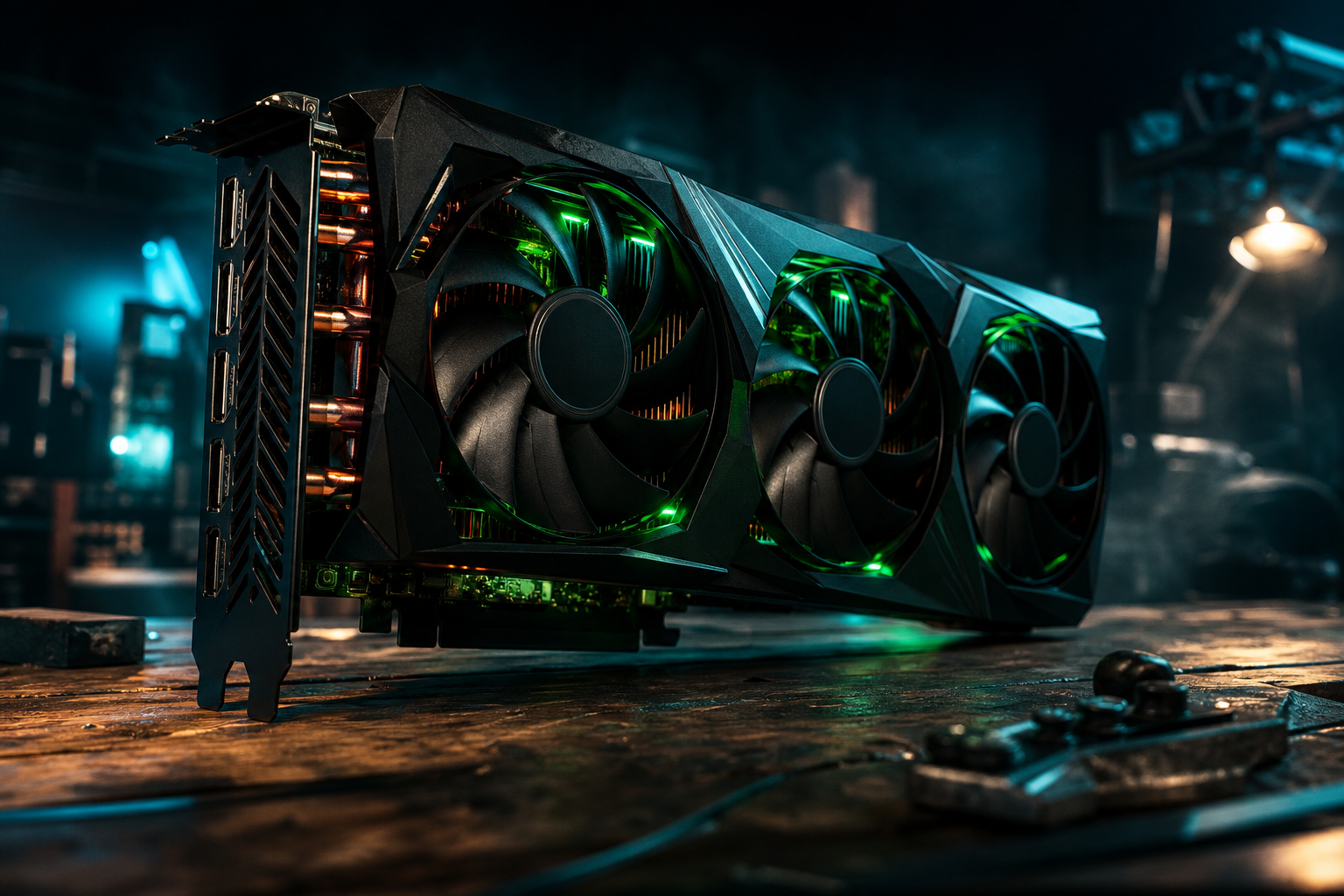
A modder has released a DLSS 5 wrapper that splits neural rendering workload across two GPUs — your primary card handles rasterization, the secondary one chews through the AI upscaling pass. PC Gamer reports frame-time drops of 30–40% in titles like Cyberpunk 2077 and Alan Wake 2 when running a mid-tier second card (tested with an RTX 4060 Ti as the neural offload).
The mod works by intercepting DLSS 5's neural rendering calls and routing them over PCIe to the secondary GPU. You need two NVIDIA cards (one Blackwell for DLSS 5, one RTX 40-series or newer as the helper), a PCIe 4.0 x8 slot minimum for the second card, and the latest Game Ready driver. The author warns PCIe bandwidth can bottleneck if your second card sits on a x4 link — performance gains collapse below ~12 GB/s transfer rate.
This matters if you're chasing native-like image quality with DLSS 5 Quality mode at 4K but hate the 15–20% frame cost. Splitting the neural pass frees up compute on your primary card for higher base clocks or tighter frame pacing. The flip side: you're buying and powering a second GPU purely for upscaling, and not every game sees the full 40% gain (multiplayer titles with frequent scene changes see smaller wins due to synchronization overhead).
If you're already running dual cards or have an old RTX 40-series collecting dust, this is a zero-dollar FPS bump. For everyone else, the math is tougher — a second GPU costs more than just turning DLSS down to Balanced mode.
Check your current DLSS settings and see if you're leaving frames on the table before buying more hardware.
BetterFPS earns a commission on qualifying Amazon purchases. Costs you nothing extra.