DLSS 5 testing reveals RTX 5090 power connector bottleneck
Multi-frame generation pushes the RTX 5090 closer to its 12V-2x6 connector's 675W limit than expected
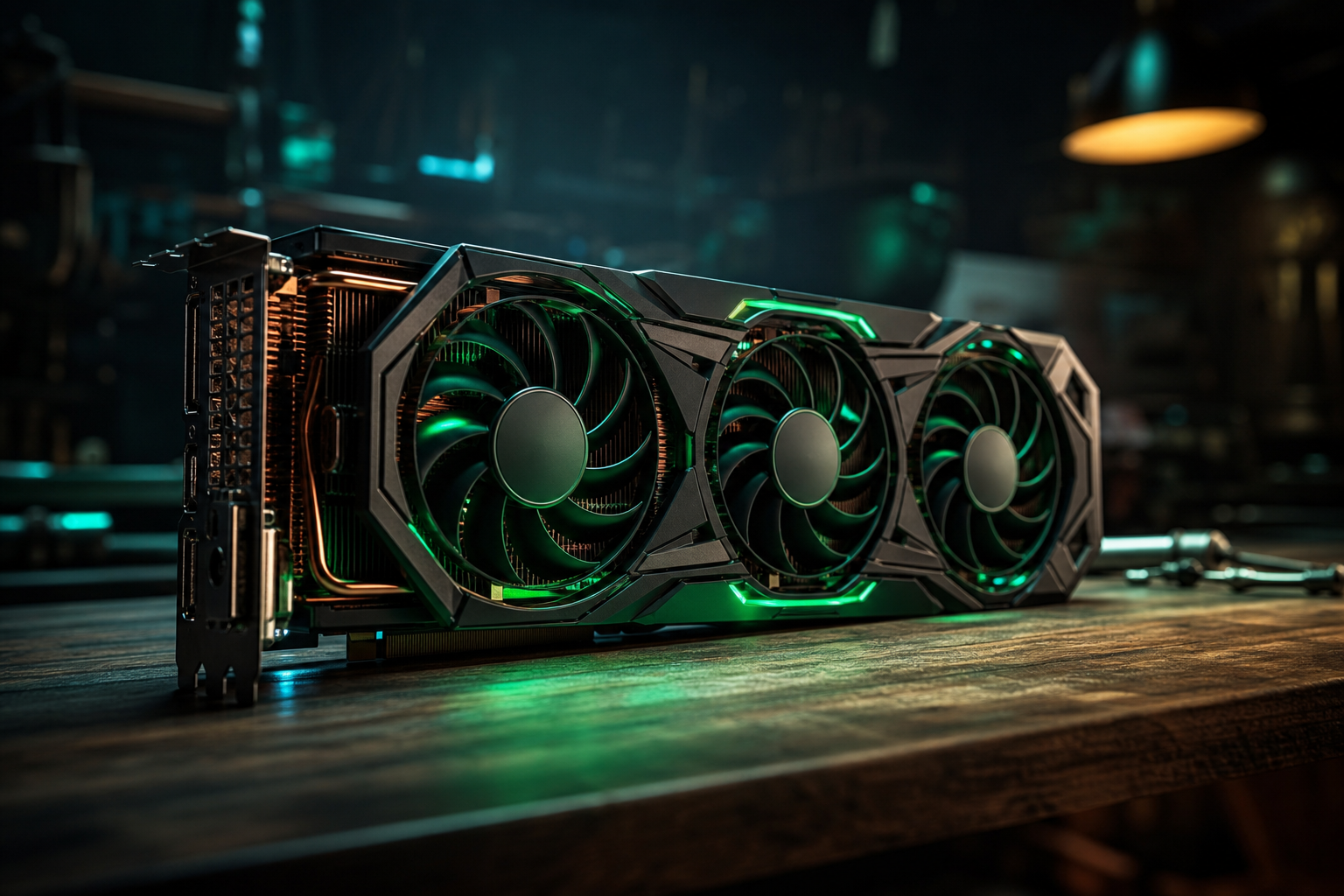
Tom's Hardware ran early DLSS 5 tests using community mods and hit a wall: the RTX 5090's 12V-2x6 power connector. When DLSS 5's multi-frame generation kicks in hard, the card's 600W TDP can brush against the connector's 675W ceiling, leaving less overhead than expected for sustained peak loads.
DLSS 5 adds multi-frame generation on top of DLSS 4's existing stack — two or three generated frames per real frame, depending on settings. That means more GPU compute happening simultaneously, which translates to higher transient power spikes. The 5090's stock 600W TDP is already the highest ever shipped on a consumer card. When you stack frame gen + ray tracing + 4K native resolution, you're threading a tight margin between rated power and the connector's absolute max.
The connector itself (12V-2x6, also called 12VHPWR v2) is rated for 675W continuous. That's 75W more than the 5090's TDP, which sounds safe on paper. But transient spikes can exceed average TDP by 10-20%, especially during shader compilation or sudden scene changes. Tom's Hardware's testing didn't hit full connector failure, but power delivery throttling showed up in a few runs — frame times spiked when the card tried to pull more than the board could sustain.
This is the tradeoff NVIDIA made to avoid a dual-connector design. A second 12V-2x6 would give plenty of headroom, but it would also make the 5090 the first mainstream card to require two of these finicky connectors — adapter hell for most PSUs. One connector keeps compatibility simpler, but it caps how hard you can push DLSS 5's full feature set without hitting power limits. For now, most users won't notice unless they're running benchmarks or cranking every setting to max. But if you bought a 5090 expecting unlimited headroom, this is the ceiling.
If you're running a 5090 or planning to grab one, check the latest optimization playbooks to see where DLSS 5's frame gen actually nets you performance versus where it just burns power with diminishing returns.
BetterFPS earns a commission on qualifying Amazon purchases. Costs you nothing extra.