PNY denies warranty on melted RTX 5090, says PSU cables aren't covered
Second major 12V-2x6 meltdown raises questions about connector reliability and warranty stonewalling
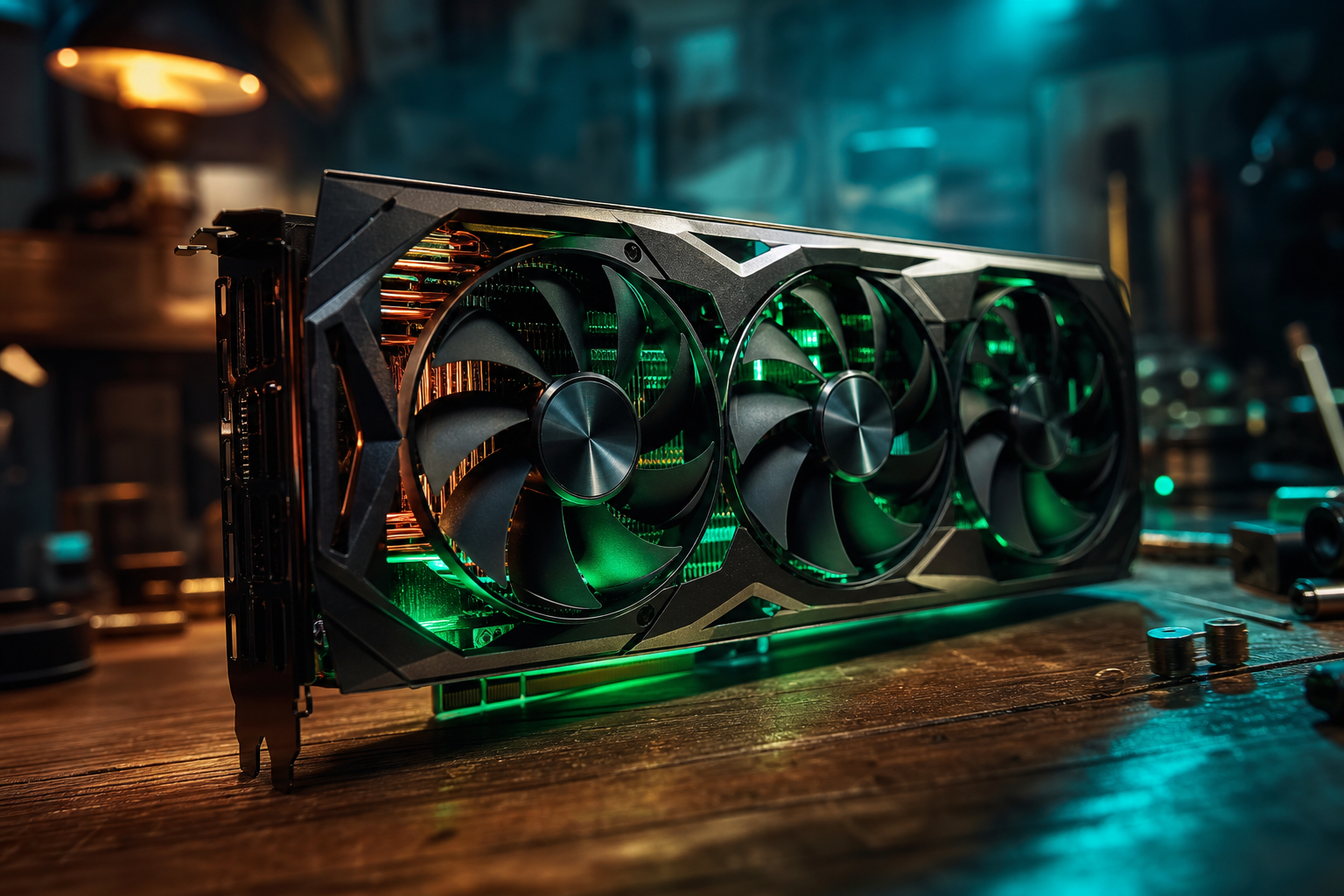
PNY has reportedly denied warranty coverage for a GeForce RTX 5090 that melted both ends of its 12V-2x6 power cable, according to a post from Redditor u/MelodicInitial1767 on TechPowerUp. The card died last month while idle, running stock clocks with the power limit set below default. The cable wasn't some sketchy third-party adapter — it shipped with the user's ASRock PG-1600G PSU. PNY's denial allegedly stated the cable wasn't covered, then closed the ticket after the customer asked which part of the warranty justified the rejection.
This is the second high-profile 12V-2x6 meltdown in recent months. NVIDIA's connector redesign was supposed to fix the 12VHPWR failures that plagued the RTX 4090 launch, but reports of melted cables keep surfacing. The failures usually happen at the GPU-side socket or the PSU-side plug — points where contact resistance spikes if the connector isn't fully seated or if one pin carries uneven load.
PNY's stance here is odd. If the card itself shorted or the cable pulled loose during use, that's one thing. But denying coverage when a native PSU cable burns out, with the card at stock settings and idle, shifts all the risk onto the buyer. That's a bad look for a $2,000+ product, especially when the root cause could be anything from a bad solder joint in the GPU socket to a PSU pin that wasn't crimped right.
If you're running an RTX 5090 (or any 12V-2x6 card), triple-check your cable seating and make sure you're using the native cable from a high-quality ATX 3.1 PSU, not an adapter. And if you're shopping for one, maybe wait for more field data before pulling the trigger. Check your current rig's bottlenecks to see if your PSU and GPU pairing is already pushing limits.
BetterFPS earns a commission on qualifying Amazon purchases. Costs you nothing extra.